
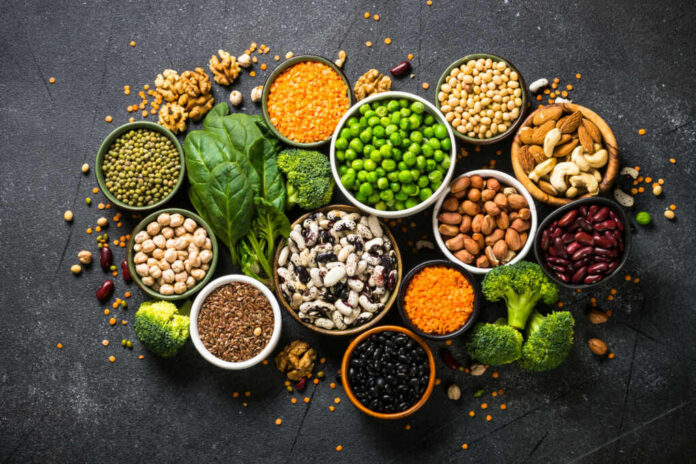
Only 1 in 100 people harbor the gut bacteria needed to unlock the full power of flavonoid-rich superfoods like pomegranates and berries, challenging the one-size-fits-all hype around gut health fixes.
Story Snapshot
- Traditional fermented foods like yogurt and kefir, validated by over a century of science, rebuild gut microbiomes faster than modern diets.
- Fiber from asparagus and whole grains promotes butyrate production, naturally regulating metabolism and slashing inflammation.
- Plant diversity—aim for 30 types weekly—outperforms single superfoods, aligning old wisdom with cutting-edge research.
- Individual microbiomes dictate benefits; personalized testing emerges as key to real results.
- Mediterranean-style eating restores gut health post-antibiotics, proving dietary resilience beats pharmaceuticals.
Historical Roots of Gut-Healing Foods
Élie Metchnikoff observed Bulgarian peasants’ longevity in the early 1900s, linking it to sour milk fermented with Lactobacillus bulgaricus. This probiotic displaced harmful gut bacteria, laying groundwork for modern microbiome science. Traditional practices persisted through generations, now confirmed by institutions like Harvard. Fiber and fermentation foster trillions of microbes influencing immunity, metabolism, and mood. Conventional wisdom proves prescient against processed Western diets.
Validated Old-School Superfoods in Action
Pomegranates deliver polyphenols that nourish gut bacteria, bolstering intestinal lining, immunity, and curbing inflammation. Ginger’s 400 compounds, led by gingerol, speed digestion, easing nausea, bloating, and gas. Asparagus supplies inulin fiber, pulling water into intestines for smoother bowel movements. Yogurt and kefir teem with live cultures enhancing nutrient uptake and immune response. Kale fights Helicobacter pylori while balancing microbiota with prebiotics.
The Four F’s Framework for Microbiome Revival
Dietary experts champion Fiber from grains and beans, Phenols from vibrant produce, Fermented items like kimchi and sauerkraut, plus Healthy Fats from olives and avocados. These fuel Bifidobacterium and beneficial Clostridium species producing butyrate. University of Washington research shows effects in one week: steadier bowels, tamed cravings, balanced appetite, deeper sleep. This framework reframes grandma’s pantry as precision medicine.
Short-term wins include banished bloating and gas; long-term guards against heart disease via LDL reduction, colon cancer through fiber, and diabetes by mimicking GLP-1 drugs naturally. Anti-inflammatory butyrate tackles chronic ills from arthritis to Alzheimer’s precursors. Common sense aligns: whole foods outshine pills, especially amid Big Pharma’s grip.
Individual Variation and Research Caveats
Cleveland Clinic reveals stark reality: just 1% possess enzymes converting flavonoids to 4-HPAA, aiding fat burn and fatty liver reversal. Benefits hinge on personal microbiome makeup, demanding tailored strategies over generic advice. Dr. Megan Rossi urges 30 weekly plants over “superfood” obsession, favoring whole eats against juiced fads that bloat. Mediterranean fiber accelerates antibiotic recovery versus low-fiber Western fare. Kale’s human trials lag in vitro promise.
Harvard affirms fiber and probiotics slash inflammation-driven diseases. This shift empowers consumers ditching drugs for diet, fueling microbiome tests and fermented food booms. Conservative values resonate: self-reliance through ancestral eating trumps dependency, with science now affirming what families knew intuitively.
Sources:
Best Superfoods for Gut Health
Kale and Cruciferous Vegetables Gut Health Study
Harvard Fiber Fermented Foods Microbiome
Cleveland Clinic Flavonoid Processing Gut Bacteria
The Gut Health Doctor Old Food Rules Debunked
University of Washington Restore Gut Health Foods
Metchnikoff Fermented Milk Longevity
University of Chicago Food as Medicine Microbiome