Scrubbing harder at coffee-stained teeth won’t make them whiter, and the way most people hold an electric toothbrush is actually working against them.
Quick Take
- Dental creator Teeth Talk Girl shows how to angle an electric toothbrush at 45 degrees against the gumline to target stains.
- The American Dental Association backs that same 45-degree angle and recommends gentle pressure with a soft-bristled brush.
- Studies show power toothbrushes can remove more surface stain from coffee, tea, and tobacco than manual brushing.
- Experts agree the brush doesn’t whiten deep, intrinsic discoloration — only surface stain responds to better brushing technique.
The Technique Behind The Viral Advice
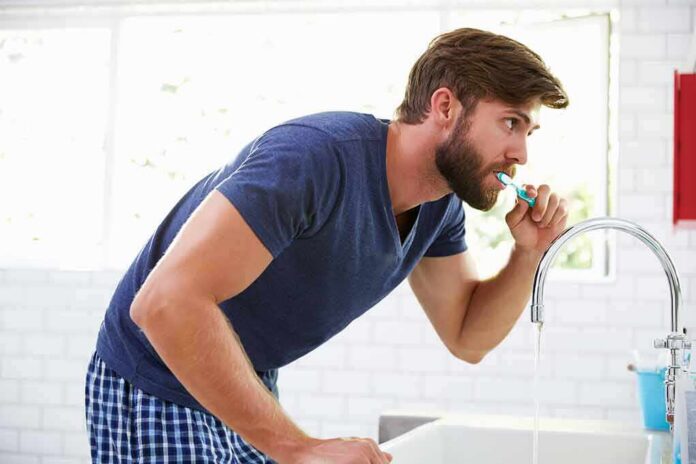
Teeth Talk Girl’s video, titled “If You Have Stained Teeth… DO THIS!”, walks viewers through a simple fix for an electric toothbrush. Instead of scrubbing back and forth like a manual brush, she guides the head slowly across each tooth. The brush does the moving. The user just steers it, tooth by tooth, along the gumline.
That guidance lines up almost word for word with what dental professionals already teach. The American Dental Association tells people to place the toothbrush against the gumline at a 45-degree angle, which helps clear plaque above and just below the gum edge. Consumer Reports gives nearly identical advice for powered brushes specifically, telling users to hold the head gently against each tooth for a few seconds rather than scrubbing.
Why Pressure And Angle Actually Matter
Pressing harder does not clean teeth faster. It just damages them. The American Dental Association recommends a soft-bristled brush and light pressure to avoid hurting the gums. Dental industry reporting backs this up, warning that bad brushing habits can cause gum recession, sensitive teeth, and even loose teeth over time. The fix isn’t more force. It’s better angle and steadier timing.
Timing matters just as much as technique. The American Dental Association recommends brushing twice a day for two full minutes with fluoride toothpaste. Consumer Reports notes that built-in timers help people actually hit that two-minute mark, while pressure sensors warn users when they’re pushing too hard. Most people brush for less than a minute without realizing it, which cuts results short before stains have a real chance to lift.
What The Research Says About Stain Removal
The science backs up more than just the technique. A continuing-education article for dental professionals reports that studies found power toothbrushes remove surface stains from coffee, tea, and tobacco better than manual brushing does. That’s a meaningful finding for anyone whose morning coffee habit shows up on their smile. Powered brushes also help people with limited hand mobility, since the American Dental Association notes they can be especially useful for those with dexterity challenges.
Manual brushing still holds its own, though. The American Dental Association says both manual and powered brushes can clear plaque and calm gum inflammation when used the right way. A dental school guide from the University of Alabama at Birmingham goes further, stating that good technique with a manual brush can match an electric one. The brush type matters less than most ads suggest. Technique is the real variable.
Surface Stains Versus Deep Discoloration
One distinction gets lost in a lot of whitening content online: not all stains come from the same place. Surface stains sit on the enamel from things like coffee, red wine, and cigarettes. Those respond to better brushing. Intrinsic discoloration comes from inside the tooth, caused by genetics, certain medications, old fillings, or past trauma. No brushing technique, electric or manual, reaches that layer. Only professional whitening treatments touch that kind of staining.
That gap matters because viral dental advice often blurs the line between cleaning and bleaching. A video that promises whiter teeth through better brushing is really promising cleaner teeth — stain removal, not a color change at the tooth’s core. For anyone whose discoloration runs deeper than their coffee habit, a dentist visit will accomplish what no toothbrush angle ever could.
The Bottom Line For Everyday Brushing
None of this requires buying new gear. It requires using the brush already in the bathroom cabinet correctly. Tilt it to 45 degrees at the gumline, let the motor do the scrubbing, keep the pressure light, and stick around for two full minutes. For anyone frustrated by stained teeth, that combination — not a new toothpaste or whitening gadget — is the advice backed by both a viral video and decades of dental research.
Sources:
youtube.com, ada.org, consumerreports.org, adanews.ada.org, crest.com