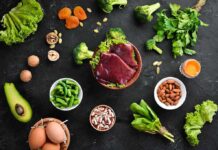

Eating like you just stepped off a boat in the Aegean Sea may do more than please your taste buds. New research suggests it could switch on tiny proteins that guard the power plants inside your cells.
Quick Take
- A new study links Mediterranean diet adherence to higher blood levels of two mitochondrial microproteins, Humanin and SHMOOSE.
- Researchers at the University of Southern California’s Leonard Davis School of Gerontology led the work, published in the journal Frontiers in Nutrition.
- Olive oil, fish, and legumes showed the strongest ties to higher protein levels, while refined bread showed the opposite pattern.
- Both microproteins have been linked in earlier research to protection against heart disease and brain decline.
The Study Behind The Headlines
Researchers measured blood samples from patients and sorted them by how closely they followed a Mediterranean-style diet. People with high adherence showed higher plasma levels of both SHMOOSE and Humanin compared to those who ate less like the diet calls for, with the differences reaching statistical significance for both proteins. The study was led by Roberto Vicinanza, a gerontology researcher at the University of Southern California.
Mitochondria act like tiny batteries inside every cell, turning food into usable energy. When they wear down, that damage gets blamed for everything from fatigue to heart disease to memory loss. The idea that a simple shift in groceries could change how these batteries function, at least as measured by circulating protein markers, is why this study caught attention beyond nutrition circles.
What Makes Humanin And SHMOOSE Special
Humanin and SHMOOSE are not ordinary proteins. They are tiny “microproteins” coded by mitochondrial DNA itself, discovered through research into how cells signal distress and repair. Earlier lab work found Humanin helps regulate how mitochondria produce energy and may protect against oxidative stress, the kind of cellular wear tied to aging. Scientists have also linked higher levels of both microproteins to lower risk of cardiovascular disease and neurodegeneration, the gradual loss of brain function tied to conditions like Alzheimer’s.
The researchers behind this study did not just stop at calling the diet “healthy” in general terms. They zeroed in on a biological mechanism that could help explain why decades of Mediterranean diet research keep pointing to better aging outcomes. If microproteins like these act as messengers between diet and cellular repair, that gives doctors a measurable target instead of a vague recommendation to “eat better.”
Which Foods Moved The Needle
The study did not treat the Mediterranean diet as one blob of healthy eating. It broke down which specific foods tracked with higher protein levels. Olive oil consumption correlated with higher SHMOOSE, and so did eating less refined bread. Humanin, meanwhile, rose with higher intake of olive oil, fish, and legumes. Researchers even gave the acronym SHMOOSE itself a nod, calling it catchier than the technical name behind it.
That breakdown matters for anyone trying to apply the findings at home. It is not enough to label a salad “Mediterranean” and call it done. The data points toward specific swaps: cooking with olive oil instead of butter, choosing fish over processed meat, adding legumes to meals, and cutting back on white bread and other refined carbohydrates.
Where This Fits In The Bigger Picture
This study joins a long line of research tying healthy eating patterns to measurable aging markers, including telomere length and epigenetic age scores. Scientists studying healthy longevity diets have consistently found that patterns built around plant foods, healthy fats, and fish track with better outcomes across multiple biological measures, not just one. The Mediterranean diet keeps showing up in that research because it checks nearly every box nutritionists associate with slower biological aging.
None of this means swapping in olive oil tomorrow guarantees a longer life. But it does give people a concrete, food-based reason to take the diet seriously beyond heart-health talking points they have heard for years. For readers over 40 already watching cholesterol and blood pressure, this adds a cellular-level argument to a dietary habit that was already worth adopting.
Sources:
pmc.ncbi.nlm.nih.gov, frontiersin.org, newbeauty.com, insideprecisionmedicine.com, inkl.com, pubmed.ncbi.nlm.nih.gov