Twelve people with Type 1 diabetes stopped taking insulin after a transplant trial at UChicago Medicine, and every single one of them is still insulin-free.
Quick Take
- All 12 adults in a UChicago Medicine pilot study stopped needing insulin shots after an islet cell transplant paired with a new drug called tegoprubart.
- Patients had lived with Type 1 diabetes for an average of 33 years before the trial, with follow-up now stretching past 22 months for some.
- Drug maker Eledon Pharmaceuticals and UChicago Medicine both confirm the results, and independent reporting has echoed the findings.
- Doctors still call long-term risks and benefits unknown, and a larger registration trial is planned next.
What The Trial Actually Tested
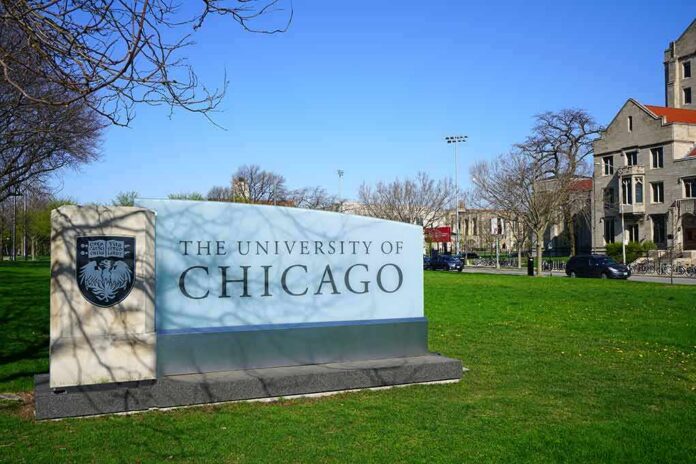
The study, registered as a clinical trial at UChicago Medicine, set out to see if transplanting insulin-producing islet cells could restore normal blood sugar control without daily insulin shots. Researchers took islet cells from donor pancreases and infused them into patients whose own insulin-making cells had been destroyed by their immune systems. The twist was pairing the transplant with tegoprubart, an experimental antibody designed to stop the body from attacking the new cells.
Early results from just three patients turned heads first. Two of them reached normal, stable blood sugar with zero insulin injections, while a third cut insulin use by more than 60 percent. UChicago Medicine reported that the transplanted cells took hold three to five times better than in patients who got standard anti-rejection drugs instead of tegoprubart. That gap suggested the new drug was doing something standard treatment could not.
Eledon Pharmaceuticals, the company developing tegoprubart, expanded the pilot to 12 adults with long-standing Type 1 diabetes. In March 2026, the company reported rapid improvement in blood sugar control across the whole group, with stable graft function in every patient. By June, the news got bigger. Eledon announced that all 12 patients had stopped insulin therapy entirely, each one now producing their own insulin again.
Why These Patients Mattered So Much
These were not easy cases. The group had an average of 33 years living with diabetes and an average blood sugar marker, called HbA1c, of about 8 percent before treatment, a sign of poor long-term control. Follow-up has run as long as 22 months for some patients. That is enough time to see whether the transplanted cells keep working, though not enough to call it a permanent fix just yet.
National outlets picked up the story fast. NBC News described the trial as one that may have cured all 12 participants, and Diabetes UK reported the same insulin-free outcome across the full group. UChicago Medicine’s own transplant program says islet transplants aim to treat advanced Type 1 diabetes by replacing the destroyed cells that caused the disease in the first place. For patients who have spent decades managing blood sugar with needles and constant monitoring, that framing carries real weight.
Islet transplants are not a brand-new idea. Doctors have tried versions of this approach for more than two decades, and past results have been a mixed bag. Studies tracking earlier islet transplant patients found that while many kept producing some insulin for years, the share who stayed completely off insulin shots often dropped sharply by the five-year mark. That history is exactly why tegoprubart’s early numbers stand out, and exactly why doctors are being careful with their words.
What Still Has To Be Proven
UChicago Medicine itself says the long-term benefits and risks of this procedure remain unknown, a caution that applies directly to this trial. The current results come from a small group of patients with a specific, severe form of Type 1 diabetes, compared against past patients rather than a side-by-side control group treated at the same time. Eledon is now moving toward a larger, company-sponsored study designed to test the approach more rigorously before anyone calls it finished business.
None of that changes what has already happened to these 12 people. They stopped taking insulin, and their transplanted cells are still working months later. Whether that holds up over years, and whether it can work for the millions of other Americans living with Type 1 diabetes, is the next chapter doctors are racing to write.
Sources:
youtube.com, uchicagomedicine.org, ir.eledon.com, nbcnews.com