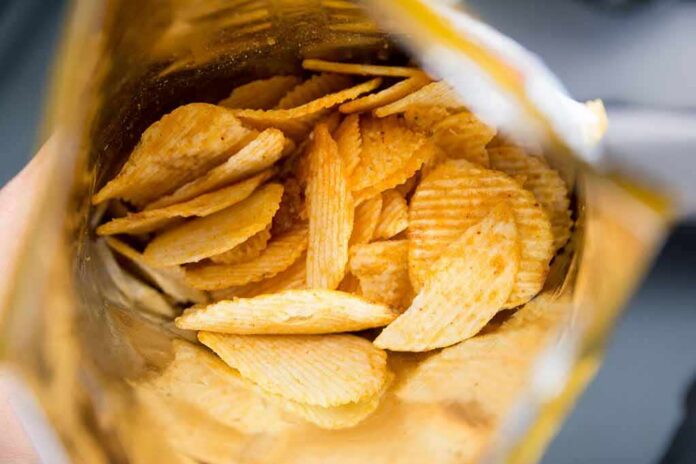
Consumer Reports says two out of three popular kids’ snacks they tested had worrisome levels of chemicals formed or picked up during processing, and parents are not crazy to double-check the lunchbox.
Story Snapshot
- Consumer Reports tested 21 kids’ snacks; 14 had at least one contaminant at a level it deemed concerning.
- Acrylamide showed up in most products tested for it; some had phthalates above CR’s concern threshold.
- These chemicals are not added on purpose; many form during high-heat cooking or migrate from packaging.
- Lack of firm federal limits for several contaminants leaves room for debate on “how much is too much”.
What Consumer Reports Found, In Plain Terms
Consumer Reports tested 21 packaged snacks marketed to children and reported that 14 products had at least one contaminant above its internal level of concern. The team looked for acrylamide, phthalates, certain processing byproducts, and heavy metals. Acrylamide, which can form when grains or potatoes are baked, roasted, or fried, appeared in most products tested for it. Ten of the 21 snacks had measurable phthalates; a smaller number exceeded CR’s concern threshold.
Consumer Reports framed the findings around daily intake for children, who eat more food per pound than adults. That makes the same level of a chemical hit a child harder. The report called out categories like chips, pretzels, and granola bars for acrylamide risk, and flagged phthalates in a range of packaged foods. The group said some tested items were lower in these chemicals, so parents can swap rather than panic.
Why These Chemicals Show Up In Everyday Snacks
Acrylamide is not an ingredient; it forms when starchy foods brown at high heat. That is how you get the crunch and color in chips, crackers, and toasted cereals. Phthalates are plastic-related chemicals that can migrate from equipment, packaging, or gloves into food during processing. Neither is new. Food makers have reduced some exposures over time, but CR’s data suggest gaps remain in snacks aimed at kids.
Federal agencies have not set strict maximums for several of these contaminants in most snack foods. That does not mean the risk is fake; it means the benchmark is not settled. Europe uses tighter targets for acrylamide in many foods, which gives manufacturers a north star to cut levels. Consumer Reports leaned on similar benchmarks to judge what counts as concerning for children.
How To Lower Risk Without Emptying Your Pantry
Parents can cut acrylamide by rotating away from very browned and crunchy snacks. Mix in fresh fruit, yogurt, cheese, or nut butters with simple crackers. Choose bars and cereals that are less toasted and lighter in color. For phthalates, focus on fewer ultra-processed choices and more whole foods. When you do buy packaged snacks, vary brands and types across the week. Small changes add up because exposure comes from many bites, not one.
Consumer Reports tested 21 of the most popular kids' snacks. 14 came back with harmful contaminants above CR's level of concern.
The worst three were Annie's Organic Cheddar Bunnies, Clif Zbar and Gimme Roasted Seaweed.
The contaminants they found:
Acrylamide: forms when… pic.twitter.com/QrAuHqzmFk
— Scout (@scouthealthapp) September 29, 2026
Consumer Reports urged companies to tighten quality controls and adjust cooking steps to reduce browning. That aligns with common sense: set clear targets, publish results, and let competition drive better products. Parents deserve labels they can trust and food that does not sneak in extra risk. Until rules are clearer, smart shopping and simple swaps can lower a child’s total intake without drama or added cost.
What To Watch Next
Expect follow-up testing and more brand-level disclosures. Some companies may reformulate or change cooking times to cut acrylamide. Others may audit packaging and processing to reduce phthalate transfer. Lawmakers may press federal agencies for guidance so the whole market aims at the same targets. Consumers can speed this up by rewarding brands that publish data and by asking schools and camps to rotate in more whole-food snacks.
Sources:
youtube.com, consumerreports.org, wmur.com, clickondetroit.com, food-safety.com, yahoo.com, wesh.com