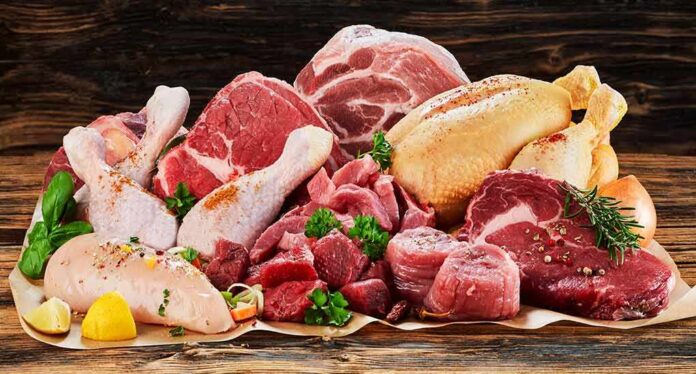
Older adults who ate enough meat were nearly a third less likely to become frail, a new study found.
Quick Take
- A 2026 study of 5,484 adults age 60 and older in Nanjing, China found meat eaters had lower frailty odds.
- Those who met meat intake guidelines had about 30% lower odds of frailty than those who ate less meat.
- The finding fits a long pattern of research tying protein intake to stronger, more resilient aging bodies.
- The study only captured one point in time, so it cannot prove meat alone caused the difference.
What The New Study Found
Researchers tracked thousands of older adults in Nanjing and compared their meat habits against signs of frailty, like weak grip strength, slow walking, and low energy. People who hit recommended meat intake levels had notably lower odds of frailty than those falling short, with researchers reporting an odds ratio of 0.70 after adjusting for other health factors.
In plain terms, that works out to roughly 30% lower odds of frailty for people who ate enough meat compared to those who didn’t, according to coverage of the research. Frailty in this context isn’t just feeling tired. It’s a medical state tied to falls, hospital stays, and loss of independence, which makes any dietary link to lower risk worth taking seriously for aging adults and their families.
Why Protein Keeps Showing Up In Aging Research
This isn’t an isolated finding. A prospective cohort study found that a 20% higher protein intake was tied to a 32% lower risk of frailty over the following three years, with animal protein specifically linked to better outcomes. Other research has shown high protein intake associated with notably lower frailty odds across multiple studies, reinforcing that this is a well-traveled scientific path rather than a one-off headline.
Some studies dig deeper into sex differences. One analysis found that men who ate meat less than twice a week had nearly three times higher odds of frailty than regular meat eaters, a gap researchers called statistically meaningful. Women showed a related pattern tied to fish, vegetables, and other food groups, suggesting the protein-frailty link may work somewhat differently depending on sex, age, and overall diet quality.
Where The Evidence Gets Complicated
Not every study agrees on the details. Research from the Rotterdam Study found that total energy intake, not protein specifically, seemed to explain lower frailty risk, muddying the picture on whether protein itself deserves the credit. That’s a reminder that nutrition science rarely delivers a single clean answer, even when the headline number sounds definitive.
A broader systematic review of the field found that firm conclusions about nutrition and frailty remain hard to pin down, largely because so many underlying studies only look at one moment in time rather than tracking people for years. The Nanjing meat study falls into that same category. It’s a snapshot, not a years-long film, so it shows a strong association but cannot prove meat intake directly prevents frailty on its own.
What This Means For Older Adults Today
Despite that limitation, the overall body of research points in a consistent direction. Expert panels have recommended older adults aim for 1.0 to 1.2 grams of protein per kilogram of body weight daily, with some studies suggesting even higher amounts help maintain muscle and mobility. Meat remains one of the most efficient, accessible ways to hit that target for most American seniors watching their strength and independence as they age.
For families managing an aging parent’s diet, this research offers a practical, common-sense signal rather than a dramatic reversal of what nutritionists have said for years. Eating enough protein, including meat, lines up with a large stack of studies tied to stronger muscles, fewer falls, and lower frailty risk. It’s not a miracle fix, but it’s a habit backed by real data and worth taking seriously at the dinner table.
The bigger lesson may be less about one Chinese study and more about trusting decades of consistent protein research. When multiple studies across different countries and populations keep landing on the same basic conclusion, that consistency itself becomes meaningful evidence, even without a single definitive trial to close every open question.
Sources:
mindbodygreen.com, cambridge.org, frontiersin.org, health.yahoo.com, academic.oup.com, journals.sagepub.com, bmcmedicine.biomedcentral.com