Your nose, not your mouth, may be the quiet switch that decides whether you wake up restored or wrung out.
At a Glance
- Nasal breathing lowers airway resistance during sleep compared with mouth breathing.
- Fixing blocked noses reduces mouth breathing and can improve sleep structure.
- Acute nasal blockage worsens sleep apnea indicators by measurable margins.
- Some devices feel helpful, but show limited objective sleep gains in trials.
What Changes When You Breathe Through Your Nose At Night
Researchers tested how air moves through the upper airway during sleep. They found nasal breathing leads to less resistance than mouth breathing, which means the airway stays more open and stable. Less resistance makes snoring and collapses less likely. The nose also warms and filters air, which helps the throat tissues behave better. This does not turn a bad airway into a perfect one. It does lower the odds of turbulence that can wake you up or fragment deep sleep.
Sleep medicine teams also measured what happens when the nose is blocked on purpose. When they narrowed the nasal airway, apnea and oxygen dips rose by clear amounts, not just a blip on a chart. That bump in breathing events reflects a real hit to sleep quality. More events mean more arousals, lighter sleep, and groggier mornings. The lesson is simple: the path of least resistance should be through the nose, not around it.
When Fixing The Nose Fixes The Night
Patients with severe nasal blockage often slip into mouth breathing during sleep. After treatment to open the nose, studies reported less mouth breathing and better sleep architecture, with more orderly cycles and fewer breaks. Another clinical trial in snoring men found that better nasal airflow led to less daytime tiredness, and even partners slept better and felt better in the morning. These results track with common sense: a quiet, stable airway helps both the sleeper and the person next to them.
Readers will note the values match the data: start with the root cause, fix the blockage, and let the body do the rest. That approach avoids gimmicks and respects safety. It also aligns with how doctors think about risk. If your nose is jammed by allergies, a deviated septum, or swollen turbinates, address that first. Expect the biggest gains when a real obstruction exists, not in people who already breathe well through the nose.
What Devices And Hacks Actually Deliver
Many products promise “open nasal airways.” The hard numbers are mixed. A recent meta-analysis found nasal dilators did not make strong, consistent changes in apnea scores, deep sleep, or oxygen levels across studies. One nasal strip trial also showed no clear edge over placebo on key sleep ratings. These tools may help snoring in some people and can feel nicer. But the data says they are not a cure-all. Feeling open is not the same as fixing a collapsible airway.
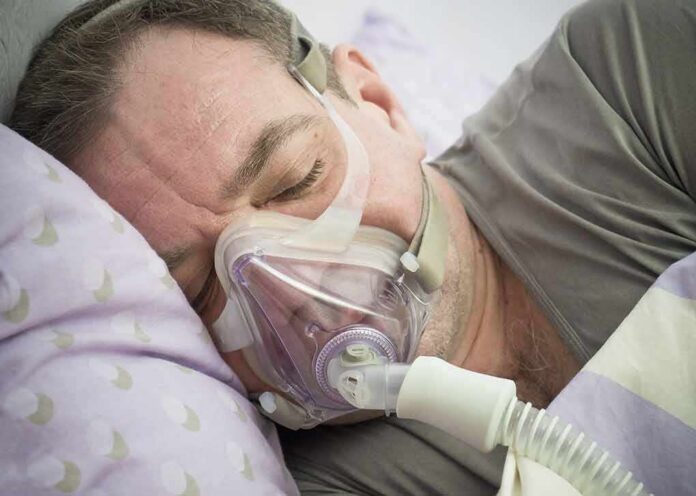
Mouth taping shows up online as a shortcut. Use caution. Blocking a fallback path for air can be risky if you have undiagnosed apnea or nighttime congestion. The better path is to make nasal breathing easier, not to force it. Practical steps include evening saline rinses, allergy control, weight management, and side sleeping. If you snore loudly, stop breathing at night, or feel wiped out by noon, get a sleep study to rule out apnea before trying any hack.
Who Stands To Gain The Most
People with clear signs of nasal obstruction stand to gain the most from restoring nasal airflow. That includes chronic stuffy noses, year-round allergy symptoms, or a bent septum. Evidence shows that when the nose opens, mouth breathing falls, sleep cycles improve, and apnea metrics can ease, though not always to normal. The field’s consensus is steady: nasal patency shapes sleep quality and can improve how people tolerate positive airway pressure therapy when they need it.
Healthy sleepers without congestion may notice smaller changes. The base physics still apply, but the room for improvement is smaller. That is why some trials show modest or no change on big endpoints. The smart play is to match the fix to the problem. If airflow is the bottleneck, fix the nose. If your airway collapses despite clear nasal paths, ask your doctor about full sleep evaluation and proven treatments tailored to that cause.
Sources:
sleepfoundation.org, frontiersin.org, pmc.ncbi.nlm.nih.gov, publications.ersnet.org, news.cuanschutz.edu, link.springer.com