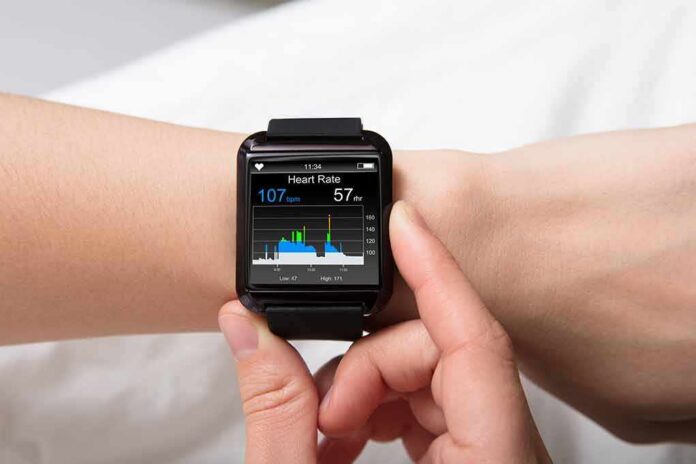
Your smartwatch doesn’t know you’re sick. It knows you’re different than usual, and that small distinction changes everything about how you should read its warnings.
Quick Take
- Wearables track changes from your personal baseline, not fixed medical thresholds, which is why two people can wear the same device and get very different alerts.
- Peer-reviewed research shows wearables help most when paired with coaching or medical programs, not when used completely alone.
- Heart rhythm alerts from consumer devices carry a high false-positive rate, with some studies showing roughly two out of three flags turning out to be nothing.
- Doctors and device makers alike say wearables can prompt earlier action but were never built to replace an actual diagnosis.
The Baseline Is The Whole Point
Every wearable company sells the same basic idea. Your resting heart rate, skin temperature, and blood oxygen form a personal fingerprint. The device watches for drift away from that fingerprint. One YouTube breakdown on wearables and big data put it plainly: everybody has a different baseline, and “the name of the game” is spotting change, not comparing you to a stranger’s numbers.
That same discussion pointed to cases where a device flagged illness three days before symptoms showed up. Heart rate variability research backs this up in a narrower way too. Experts note HRV is far more useful for tracking one person’s own trend line over weeks than for comparing that person to anyone else. The number itself means little. The direction it moves means a lot.
What The Research Actually Shows About Results
Real outcomes tell a more careful story than the marketing does. A 2025 review of wearables for people managing type 2 diabetes found the devices helped with activity levels, but mainly when built into a structured program with coaching. Used alone, the effect shrank. Cardiology researchers found something similar: wearables can catch irregular heartbeats and warn of decline, but the step-count gains they produce are modest at best.
A large digital-health study followed more than twenty thousand users and found real improvements in cholesterol and blood sugar markers over time. But that program combined wearable data with blood tests, genetic information, and personal guidance. The wearable was one piece of a bigger system, not the whole engine. Reviewers in medical journals keep repeating the same conclusion: these devices work best as a supporting tool, not a solo act.
The False Alarm Problem Doctors Keep Raising
Here’s the part the sales pitch skips. When a device screens millions of healthy wrists for a rare problem, math works against it. Heart rhythm specialists have voiced what they call “clear concerns” about arrhythmia alerts from consumer wearables, warning that false positives are common enough to cause real harm through needless worry and unnecessary doctor visits. One tracked study found two out of three atrial fibrillation alerts sent to smartwatch users turned out to be false alarms.
That is not a minor rounding error. Researchers have also found that people who received false heart alerts reported worse self-rated health afterward, even once doctors cleared them. A watch that cries wolf still costs you sleep, appointments, and peace of mind. Cardiologists at major hospitals now openly caution patients that a scary reading does not confirm illness, and a clean reading does not guarantee good health either.
Why This Matters More As Devices Get Smarter
None of this makes wearables worthless. It means the honest use case is narrower and more useful than the hype suggests. These devices are early-warning systems, not diagnostic tools. They tell you something changed and it’s worth checking, not what that change means. That distinction matters for anyone over 40 juggling blood pressure, sleep, and a watch that buzzes at 3 a.m.
Regulators seem to sense this gap too, which is part of why most wearable features stay classified as wellness tools rather than medical devices. Until independent testing nails down real accuracy numbers for illness detection, common sense should lead. Treat a wearable alert the way you’d treat a neighbor pointing out your porch light is out: worth a look, not a diagnosis, and never a reason to skip an actual doctor when something feels wrong.
The technology keeps improving, and future versions may close the false-alarm gap researchers keep flagging. For now, the smartest move is treating your wearable as a smoke detector rather than a fire marshal. It tells you to go look. It doesn’t tell you what you’ll find.
Sources:
youtube.com, journals.plos.org, pmc.ncbi.nlm.nih.gov, journal.idscipub.com