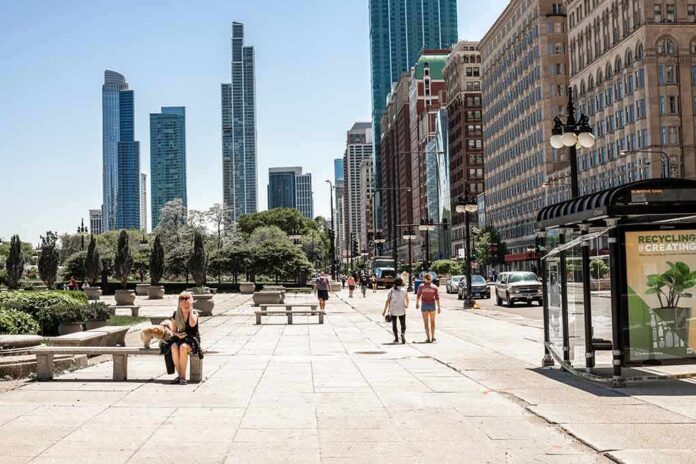
Your street’s design may be quietly deciding how much you move every day.
At a Glance
- Neighborhood design changes can raise daily walking and cycling.
- Most studies link better sidewalks, parks, and trails to more activity.
- Transport options and mixed land use show the most consistent effects.
- Global health agencies back built-environment fixes to boost movement.
Built Environments Nudge Daily Movement More Than Willpower Does
Researchers tracked people before and after neighborhoods changed and saw activity rise when cities added safe sidewalks, bike lanes, and transit that actually connects homes to errands and jobs. That is not a feel-good hunch. It reflects multiple prospective and natural-experiment studies that watched behavior shift after the paint dried and the buses rolled. The pattern is strongest for everyday travel. When a grocery store sits a short, safe walk away, steps go up because life makes them necessary, not optional.
The American Journal of Public Health reviewed 169 studies and found nearly nine in ten linked better local design to more movement. Parks, trails, and sidewalks stood out. Critics sometimes say people who like to walk choose walkable areas. That happens. But when planners fix streets and parks, less active residents still gain access to easy movement. The clearest jumps show up in walking and biking for errands and commutes, where design either opens a door or slams it shut.
What Works: Short Blocks, Nearby Errands, Safe Crossings, Real Choices
Land use mix, connected streets, and the right density tie to higher activity in cross-city comparisons and in quasi-experiments that follow changes over time. Short blocks create many route options. Corner stores and clinics within a 10-minute walk make steps part of the day. Protected bike lanes lower the risk tax that keeps nervous riders home. Reliable transit converts long, sedentary car trips into walk-plus-ride chains. These are small levers that, together, move whole populations.
Global health guidance aligns with this. The World Health Organization urges cities to make walking and cycling safe and convenient, link transit to neighborhoods, and keep green spaces close to homes. Those steps are not culture-war issues; they save health care dollars, widen access for seniors and kids, and respect people’s time. Common sense says put paths where people need to go, light them well, and maintain them year-round. People will use them when they feel quick, safe, and useful.
How Much Confidence Should We Have in Cause and Effect?
Long-term and natural-experiment research supports a causal story: change the setting and watch activity rise, especially for transport walking and cycling. Earlier reviews warned that simple observational studies cannot prove cause and effect, even though most pointed the same way. A prudent read holds two thoughts at once. First, on average, better design leads to more active travel. Second, effects on total or recreational exercise vary more by context, season, and program quality.
For local leaders and taxpayers, that nuance guides smart bets. Sidewalk infill near schools, protected intersections, and connected trail gaps often deliver the most steps per dollar. Park makeovers help when they add shade, bathrooms, lighting, and programs that invite daily use. Transit wins when routes are frequent and stops feel safe. These choices match conservative values too: practical fixes, measurable returns, and freedom to choose a healthy path without a lecture.
What This Means for Your Street and Your Schedule
Homes near everyday needs cut the friction that kills good intentions. A lit, direct walkway turns a “maybe later” into five automatic minutes of movement. A protected lane lets a cautious 60-year-old ride to the pharmacy. A bus that runs on time turns a drive into a brisk walk on each end. None of this depends on buying gear or finding an hour. It depends on placing common destinations within reach and making the route feel safe and quick.
Start with what you can control. Ask for crosswalks where people already cross. Support trail links that close obvious gaps. Champion zoning that allows a small market or clinic near housing. Measure success with simple counts: more feet on sidewalks, more bikes at racks, more kids walking to school. When design lowers the price of movement in time and hassle, people “buy” more of it, day after day.
Sources:
artofhealthyliving.com, academic.oup.com, ajph.aphapublications.org