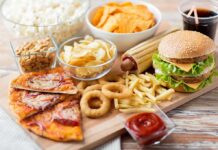

Scientists scanned the brains of nearly 9,000 middle-aged adults and found something chips, frozen dinners, and soda cannot hide from: signs of silent damage deep inside the skull.
Quick Take
- A Canadian study of 8,783 adults aged 35 to 69 found higher ultra-processed food intake linked to about 40% higher odds of MRI-detected vascular brain injury.
- Researchers used brain scans, not just surveys, to spot damage patterns similar to silent stroke or a pre-stroke profile.
- Higher junk food intake also tracked with more body fat and visceral fat in participants.
- The study found no link to actual cognitive test scores, and cannot prove the food caused the damage.
What The Brain Scans Actually Showed
Researchers published their findings in JAMA Network Open, studying middle-aged Canadian adults with no history of heart or vascular disease. Every single participant got a brain MRI. Doctors then reviewed those scans specifically for signs of vascular brain injury, the kind of damage tied to blocked or weakened blood vessels feeding the brain.
The results split clearly along diet lines. People eating the most ultra-processed food had roughly 40% higher odds of showing this MRI-defined vascular injury compared to people eating the least. That is not a tiny statistical blip. It is a sizable gap between two groups living in the same country, eating very different diets.
The damage researchers found was not vague or symbolic. They described small areas of injury consistent with silent stroke, the kind that can happen without a person ever noticing symptoms, plus patterns researchers call a pre-stroke profile. This is measurable tissue change, not a self-reported mood score or a subjective wellness survey.
Body Fat Emerges As A Likely Middleman
The study did not stop at brain scans. Researchers also measured body fat and visceral fat, the dangerous fat that wraps around internal organs. People eating more ultra-processed food carried more of both. That overlap suggests adiposity may be one pathway connecting diet to brain blood vessel damage, though the study was not built to prove that chain directly.
This fits a pattern conservative-minded readers already understand instinctively: processed convenience food packs calories without nutrition, and bodies pay the bill somewhere. Whether that bill shows up as a wider waistline or a damaged blood vessel in the brain, the underlying math of ultra-processed eating keeps landing in the same place.
What The Study Does Not Claim
Here is the one honest caveat worth keeping in mind. This was a cross-sectional study, meaning researchers took one snapshot in time rather than following people for years. That means it cannot prove ultra-processed food caused the brain changes, only that the two showed up together. The study’s own authors say longer-term research is needed to nail down cause and effect.
Notably, the study found no matching link to cognitive performance. People with more vascular brain injury on their scans did not necessarily score worse on thinking and memory tests. That is an important distinction headlines often blur, since “brain damage” sounds like it should mean broken thinking, but here it means a blood vessel finding on an image.
Why The Food Category Itself Is Messy
Ultra-processed food is a famously broad bucket. It covers everything from sugary cereal and frozen pizza to some fortified breads and flavored yogurts. The study’s own summary noted that its results were sensitive to exactly how researchers defined that category, meaning the strength of the link shifts depending on which foods get counted.
That sensitivity does not erase the finding. It does mean broader context matters. Other large reviews of ultra-processed food research have found consistent links to worse health outcomes across dozens of studies, even while scientists keep debating whether the category itself, versus simple overeating or lower income, is doing the damage.
For now, families eyeing their grocery carts get a clear, practical signal rather than a final verdict. Diets heavy in chips, cereal, and ready meals keep showing up next to worse vascular brain outcomes in study after study. The exact mechanism is still being worked out, but the pattern itself has become hard to ignore.
Sources:
youtube.com, media.jamanetwork.com, cbc.ca, cp24.com