Coffee, soda, tomatoes, chocolate, and alcohol all show up on a growing list of foods tied to sudden, urgent trips to the bathroom.
Quick Take
- A pelvic floor physical therapist’s viral video names five food categories linked to bladder urgency
- Federal health guidance backs the same list, though it stops short of calling them universal rules
- Caffeine and alcohol both raise urine production while possibly irritating the bladder lining
- Tomatoes and other acidic foods are flagged mainly for people with interstitial cystitis
- Doctors recommend tracking your own triggers with a food diary instead of cutting foods blindly
The Five Foods Getting Blamed For Bathroom Emergencies
A physical therapist from Relief Physical Therapy posted a video pointing to five everyday items as possible culprits behind bladder urgency: coffee, chocolate, carbonated drinks, tomatoes, and alcohol. The video frames these as common triggers worth testing, not a strict list everyone must avoid. That framing matters, because it lines up closely with what federal health researchers have already published on the subject.
The National Institute of Diabetes and Digestive and Kidney Diseases lists caffeine, chocolate, carbonated beverages, and alcohol as possible contributors to bladder control problems. The agency notes that caffeinated drinks and foods may worsen urgency, while alcohol increases how much urine the body produces in the first place. That combination, more fluid plus more irritation, helps explain why these items keep appearing on trigger lists.
What The Government’s Own Guidance Says
None of this is new or fringe. The National Institutes of Health has published this guidance for years as part of its standard patient education on bladder control problems. It does not claim every person reacts the same way. Instead, it describes these foods as possible contributors for some people, which is a meaningfully different and more careful claim than saying they cause urgency in everyone.
The Mayo Clinic Health System echoes this same list, naming alcohol and caffeinated beverages among foods known to amplify overactive bladder symptoms by stimulating the feeling that the bladder is full and needs emptying right away. That overlap between a hospital system’s public health messaging and a physical therapist’s social media advice suggests the five-food list reflects mainstream clinical thinking rather than an outlier opinion.
Why Coffee And Caffeine Draw Extra Scrutiny
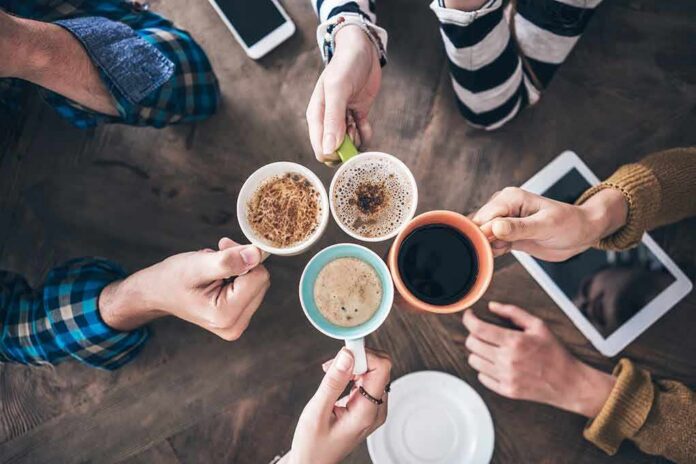
Coffee gets singled out because it works through two separate paths at once. First, caffeine is a mild diuretic, meaning it makes the body produce more urine. Second, some research has linked higher caffeine intake to worsening urgency and frequency symptoms over time. A federal research summary titled Feeling What You Drink specifically connects higher coffee and total caffeine consumption with later urinary frequency and urgency in observational data.
That does not mean one cup of coffee guarantees a bathroom emergency. It means caffeine has more than one way to affect the bladder, which makes it worth watching if urgency is a regular problem. The guidance recommends limiting caffeinated beverages as a reasonable first step, not eliminating them outright, since cutting back is low-risk and sometimes brings noticeable relief.
Tomatoes And Acidic Foods Carry A Narrower Warning
Tomatoes carry a more specific flag. Federal guidance for interstitial cystitis, a chronic bladder pain condition, names high-acid foods including tomatoes and tomato-based sauces as possible flare triggers for people who already have that diagnosis. This is a narrower claim than a general urgency warning, since interstitial cystitis is its own distinct condition rather than a universal description of why anyone might feel urgency.
A systematic review from Johns Hopkins researchers looked specifically at whether potential bladder irritants, including the kinds of foods named in these lists, consistently predict overactive bladder symptoms. The review found the observed associations were mixed and inconsistent across studies, and it did not identify a clear, confirmed link for any single food category. That finding does not disprove individual triggers. It simply shows the science has not nailed down a universal rule for every person.
The Smarter Response Is Tracking, Not Guessing
Federal guidance consistently recommends a food diary over guesswork. People with interstitial cystitis are advised to track what they eat and drink alongside their symptoms to find their own personal triggers, since what flares one person’s bladder may do nothing to another’s. A broader nutrition review on bladder storage conditions found the evidence behind limiting items like alcohol and carbonated drinks is still rated weak, which supports testing rather than assuming.
For most adults dealing with unexplained urgency, the practical takeaway is simple. Treat coffee, chocolate, soda, tomatoes, and alcohol as reasonable suspects worth testing one at a time, not as foods you must swear off forever. Pay attention to your own body, write down what happens, and talk to a doctor if urgency keeps disrupting daily life.
Sources:
youtube.com, pmc.ncbi.nlm.nih.gov, niddk.nih.gov, icnetwork.org, pure.johnshopkins.edu, tandfonline.com