
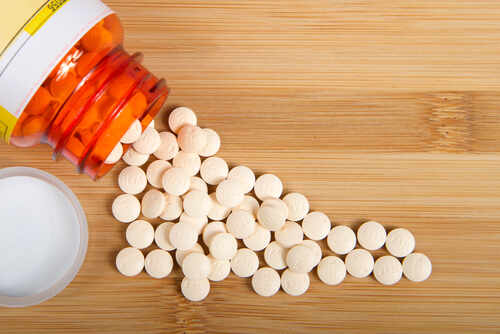
Male mice dosed with a trendy antioxidant supplement produced offspring with facial and skull defects, challenging the safety of everyday health boosters for future dads.
Story Snapshot
- High-dose N-acetylcysteine (NAC) in male mice triggered subtle craniofacial changes in pups, hinting at hidden generational risks.
- Study released March 26, 2026, via ScienceDaily; no peer-reviewed paper yet, limiting human applicability.
- NAC, popular since 1960s and booming post-COVID, faces new scrutiny despite prior medical uses.
- Contrasts sharply with folic acid’s proven role in slashing neural tube defects by up to 62% without harms.
- CED Clinic urges clinicians to wait for full data before altering supplement advice.
March 2026 Mouse Study Reveals Paternal NAC Risks
Researchers administered high doses of antioxidants like NAC to male mice before breeding. Offspring showed subtle but significant facial and skull alterations. The March 26, 2026, ScienceDaily report highlighted these transgenerational effects from paternal exposure. This diverged from typical maternal-focused studies. No exact dosages appeared in summaries, but findings disrupted assumptions about supplement harmlessness. Mouse models underscored potential epigenetic changes passed to the next generation.
NAC’s Rise from Medicine to Wellness Fad
Doctors prescribed NAC since the 1960s for acetaminophen overdoses and respiratory conditions. Post-2020 COVID claims fueled its surge as an immune and anti-aging aid. Usage spiked among reproductive-age adults despite thin evidence for broad benefits. Prior animal research linked excess antioxidants to fetal development issues through oxidative stress imbalance. This study extended those concerns to fathers, amid debates over unproven supplement hype.
Regulatory scrutiny intensified after 2020 on health claims. Supplement makers marketed NAC aggressively online. Facts show benefits in specific medical contexts outweigh speculative risks when used judiciously.
Stakeholders Weigh Preliminary Evidence
CED Clinic rated the study high clinical relevance at 80 out of 100. They advised awaiting peer-reviewed publication before counseling changes. Ivanhoe Broadcast News aggregated the findings on March 27, 2026. Researchers sought to expose over-the-counter risks. Supplement manufacturers defend NAC safety based on decades of use. FDA and USDA monitor broader implications without immediate action.
Clinicians influence patient decisions most directly. USPSTF guidelines endorse folic acid at 400-800 micrograms daily for proven neural tube defect prevention. Power tilts toward evidence-based providers over industry lobbies pushing unverified claims.
Short-Term Alarm, Long-Term Questions
Immediate effects include hesitancy among men planning families to use NAC. Clinicians expanded counseling on paternal exposures. Social media amplified cautions, risking anti-supplement backlash. Nutraceutical sales may dip temporarily. Long-term, replicated results could prompt epigenetic human trials and paternal safety reviews. Mouse data limits direct human translation, demanding caution without panic.
Prospective parents and wellness seekers feel the impact most. Economic ripples hit NAC producers amid past vitamin cycles. Politically, it bolsters demands for rigorous pre-market testing.
Expert Consensus Favors Proven Supplements
USPSTF 2023 review confirmed folic acid cuts neural tube defects with adjusted relative risks of 0.49-0.62 and no harms. A 1999 PubMed case-control study found multivitamins reduced limb and urinary defects with odds ratios of 0.2-0.6. PMC analysis noted 30 years of folic acid success, preventing over 700 U.S. cases yearly, despite 22% folate insufficiency in women. Pro-supplement views hold that established benefits eclipse unproven animal risks.
CED Clinic stressed individualized assessments over blanket bans. Animal findings warrant vigilance on high doses but lack human replication.
Sources:
This popular supplement may increase risk of birth defects, study finds – CED Clinic
Folic Acid Supplementation for the Prevention of Neural Tube Defects – JAMA
This popular supplement may increase risk of birth defects, study finds – Ivanhoe Broadcast News
Folic Acid Fortification: One of the Greatest Public Health Achievements – PMC