
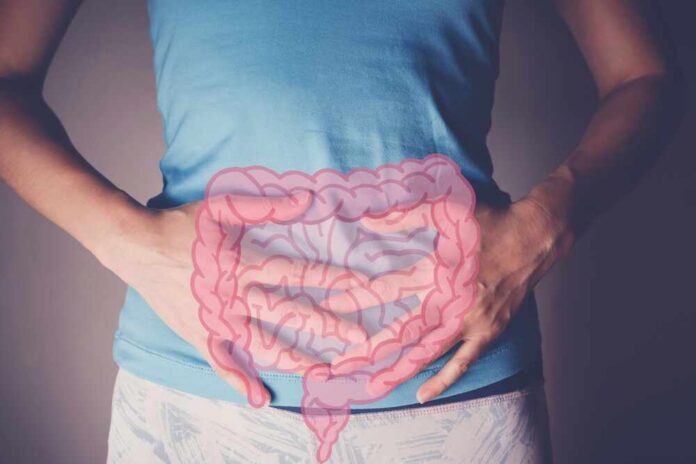
Extreme heat doesn’t just make you sweat—it secretly sabotages your gut, turning your digestive system into a sluggish, inflamed mess that most people never see coming.
Story Snapshot
- Extreme heat triggers dehydration, constipation, and leaky gut by diverting blood flow from digestion and depleting electrolytes through sweat.
- Natural remedies like kombucha, kefir, coconut water, and ginger combat heat-induced inflammation while supporting gut bacteria.
- Outdoor workers, elderly individuals, and those in hot climates face the highest risks of digestive disruption during heatwaves.
- Rising global temperatures have amplified seasonal gastrointestinal advisories, driving growth in probiotic and electrolyte markets.
The Hidden Digestive Threat of Rising Temperatures
Heatwaves do more than sap your energy. When temperatures soar, your body redirects blood flow away from the gut to cool your skin, slowing digestion and triggering a cascade of problems. Sweating drains fluids faster than most people replace them, leaving the digestive tract parched and unable to move waste efficiently. Gastroenterologists at clinics like Austin Gastroenterology and Northlake Gastro confirm that dehydration from heat is a primary driver of constipation, bloating, and indigestion. Add in appetite suppression and the gut’s protective lining weakening under stress, and you have a recipe for discomfort that peaks every summer.
Why Your Gut Lining Becomes Vulnerable
Heat doesn’t just slow digestion—it compromises the gut barrier itself. Experts describe how extreme temperatures make the intestinal lining more permeable, a condition known as leaky gut. This allows harmful bacteria and toxins to slip into the bloodstream, fueling inflammation. The Canadian Digestive Health Foundation notes that hot weather compounds this by reducing stomach acid production and increasing nausea risks. Food spoilage accelerates in heat, raising the stakes for foodborne illness. GEM Hospitals emphasizes that bacteria multiply rapidly in warm conditions, making safe food handling critical. The combination of internal vulnerability and external threats creates a perfect storm for digestive distress.
Natural Remedies That Actually Work
Fermented drinks like kombucha and kefir emerge as front-line defenders in extreme heat. These probiotic-rich beverages replenish beneficial bacteria that struggle when dehydration disrupts the gut microbiome. Coconut water delivers electrolytes without the sugar overload of sports drinks, addressing the imbalance caused by excessive sweating. Ginger stands out for its anti-inflammatory properties, soothing the irritation heat inflicts on digestive tissues. Dietitians consistently recommend fiber-rich foods to maintain motility, while cooling options like yogurt and mint offer dual benefits of nutrition and temperature regulation. The consensus across health organizations is clear: hydration remains paramount, with eight to ten glasses of water daily as the baseline.
Who Pays the Price
Not everyone suffers equally under the sun’s assault on digestion. Outdoor laborers and athletes face relentless exposure, losing fluids at rates that overwhelm their intake. Elderly individuals struggle with diminished thirst signals and slower physiological responses to heat stress. Travelers encounter unfamiliar climates and food safety risks that compound digestive strain. Summer event-goers often neglect hydration amid activity, while those in chronically hot regions endure sustained pressure on their gut health. The economic toll mounts through increased healthcare visits during heatwaves, treatment costs for gastrointestinal issues, and lost productivity. Public health campaigns strain to address these seasonal surges, particularly as climate change extends and intensifies heat exposure.
The Commercial Response
Probiotic and electrolyte supplement markets have capitalized on growing awareness of heat-related gut problems. Brands like Probio7 position their products as essential summer protection, blending legitimate health benefits with commercial interests. Gastroenterology clinics report predictable seasonal upticks in patient visits for heat-induced complaints. The sustainable food sector gains traction by promoting cooling fruits and plant-based options that align with both digestive health and environmental values. This convergence of health necessity and market opportunity reflects a straightforward truth: people will invest in solutions when discomfort becomes undeniable. The challenge lies in distinguishing evidence-based advice from sales pitches, though most recommendations converge on hydration, probiotics, and sensible eating.
What the Experts Keep Saying
Gastroenterologists deliver consistent messages about heat’s impact on digestion. Blood flow diversion to the skin leaves the gut underpowered, unable to process food efficiently. Fluid loss through sweat thickens digestive contents, creating the perfect conditions for constipation. Nutritionists advocate for fiber and fermented foods to support the microbiome’s resilience against heat stress. The North Carolina Department of Health and Human Services warns about seasonal gastrointestinal risks, urging vigilance around food safety and hydration. Minor debates surface over precise water intake recommendations and alcohol’s role as a digestive irritant, but the core advice remains unified. The long-term data on chronic heat exposure and microbiome health continues to develop, yet early findings suggest sustained temperature stress could trigger lasting inflammation.
Sources:
Heat and Gut Health: Tips for Managing Digestion During Summer – Probio7
Gut Healthy Choices During Summer – Austin Gastroenterology
Your Gut’s Summer Survival Guide – FutureYou Health
How Summer Heat Affects Gastrointestinal Health – Northlake Gastro
Summer Digestive Care Tips – GEM Hospital
Does Hot Weather Affect Digestion? – Canadian Digestive Health Foundation
Staying Gut Healthy This Summer – NCDHP
Keep Your Gut Happy in Extreme Heat – Green Living Magazine
5 Tips for Better Digestion During Summer Heat – GastroCon SA