A Mediterranean diet slashes gastric cancer risk by 29%, turning everyday meals into a powerful shield against a silent killer.
Story Highlights
- Mediterranean diet adherence links to 29% lower gastric cancer risk in meta-analysis of 1.3 million participants.
- Vegetarian diets show even stronger protection, up to 45% reduction for stomach cancer.
- Diets rich in fruits, vegetables, and olive oil combat harmful bacteria and inflammation in the stomach.
- High-salt and processed meats elevate risk, while nuts like walnuts and broccoli sprouts offer targeted defenses.
- Global studies confirm plant-forward eating as a practical prevention strategy for at-risk populations.
Mediterranean Diet Delivers 29% Gastric Cancer Risk Reduction
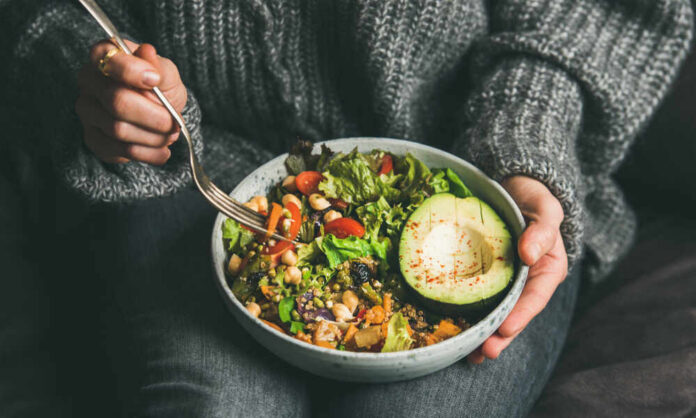
Researchers published a systematic review and meta-analysis in Frontiers in Nutrition, pooling 11 studies with over 1.3 million participants. Adherence to the Mediterranean diet correlated with a 29% lower gastric cancer incidence. This diet draws from traditional eating in Mediterranean countries, prioritizing antioxidant-rich fruits, vegetables, whole grains, beans, legumes, seafood, nuts, seeds, olive oil, and herbs. The analysis highlights consistent protective effects across diverse populations.
Gastric Cancer Burden and Dietary Protectors
Gastric cancer imposes a heavy global toll, often linked to diet. High-salt foods, especially preserved items in Asian cuisines, damage stomach linings and promote harmful bacteria like H. pylori. Diets abundant in fruits and vegetables, while low in processed meats and salt, substantially cut risk. Professor Jun Yu from Chinese University of Hong Kong demonstrates diet shapes gastric microbiota, with beneficial strains like Akkermansia muciniphila bolstering immunity and stomach health.
Vegetarian Diets Outpace Mediterranean Protection
A February 2026 British Journal of Cancer study, the largest on non-meat diets, examined 1.8 million people across continents. Vegetarians faced up to 45% lower stomach cancer risk, plus 25% for lymphomas. Pescatarians showed reduced colorectal cancer compared to other groups. Aurora Perez Cornago from Oxford Population Health attributes benefits to higher fruit, vegetable, and fiber intake without processed meats. Gary Fraser of Loma Linda University calls this the first precise analysis for less common cancers.
Experts caution vegans faced higher colorectal risks, possibly from nutrient gaps in animal foods, underscoring balanced nutrition over extremes.
Mechanisms and Practical Interventions
Diet alters gastric microbiome, influencing cancer pathways. Butyrate-producing bacteria maintain healthy conditions and immune responses. Broccoli sprouts reduce H. pylori colonization; walnuts curb inflammation and enhance cellular defenses. World Cancer Research Fund endorses whole grains, pulses, fruits, vegetables, minimal processed meat, and limited red meat. U.S. News & World Report ranks Mediterranean diet number one for five years, validating its broad preventive power.
Short-term, awareness drives dietary shifts among health-focused groups. Long-term, population changes could lower incidence, spur personalized nutrition via microbiome profiling, and cut healthcare costs. High-risk areas with salty diets and families with gastric history stand to gain most, though food access challenges persist by income and location.
Sources:
Mediterranean Diet Linked With 29% Reduced Risk Of Gastric Cancer
Exploring how diet and the gastric microbiome shape gastric cancer risk
Study shows vegetarian diets have reduced risk of medium-frequency cancers
Largest study of vegetarian diets and cancer shows lower risk of five cancers
Largest ever study of vegetarian diets and cancer shows lower risk of 5 cancers
Vegetarian diet-cancer risk: Largest study
Expert reaction to study looking at vegetarian and other diets and incidences of different cancers