
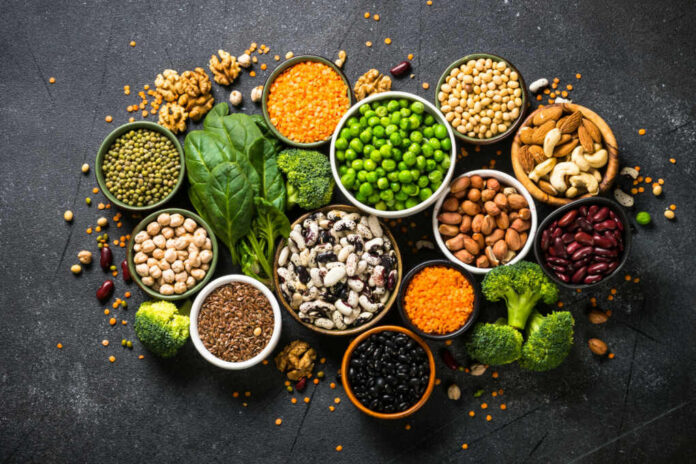
The most brain-protective “diet” in the new head-to-head showdown isn’t trendy at all—it’s the one built to tame blood pressure, and it keeps winning for a reason.
Quick Take
- Researchers compared six popular “healthy” eating patterns across more than 159,000 people tracked for decades.
- DASH showed the strongest, most consistent links to less subjective cognitive decline and better objective cognitive performance.
- The food signals were blunt: more vegetables and fish helped; sugary drinks and red/processed meats hurt.
- The likely advantage runs through old-fashioned physiology: healthier vessels, steadier metabolism, and lower inflammation.
A rare diet showdown with real statistical weight
Nutrition headlines usually crown a winner without making contenders fight in the same ring. This analysis did exactly that by drawing on three long-running cohorts: the Nurses’ Health Study (since 1976), Nurses’ Health Study II (since 1989), and the Health Professionals Follow-Up Study (since 1986). Over 159,000 participants, averaging midlife age, gave researchers enough scale to compare patterns directly instead of guessing across separate studies.
The six patterns weren’t fringe experiments. They included the Alternate Healthy Eating Index 2010, DASH, a healthful plant-based index, a Planetary Health index, and two “reverse” empirical patterns tied to hyperinsulinemia and inflammation. The point wasn’t to find a perfect diet; it was to see which real-world pattern most reliably lined up with better brain outcomes years later. DASH kept coming out on top across measures.
Why DASH keeps beating the cooler kids
DASH started as a 1990s answer to hypertension, not as a brain program. That origin story matters because the brain is a power-hungry organ living downstream from your arteries. Cognitive aging often rides along with vascular wear-and-tear, metabolic dysfunction, and chronic inflammation. DASH targets those systems with boring consistency: more fruits and vegetables, whole grains, and less sodium and red meat. When the plumbing works, the brain suffers fewer slow-motion insults.
The newer twist is timing. The average participant age in this dataset was around 44, meaning many “brain outcomes” reflect habits decades earlier, not heroic changes after retirement. For readers over 40, this is the uncomfortable but empowering message—midlife routines show up later as either resilience or fragility.
The food-level tells: vegetables and fish show up, sugar shows itself out
DASH didn’t win by mysticism. Specific foods tracked with better or worse cognitive outcomes. Vegetables and fish rose as consistent positives, while red and processed meats, fried potatoes, and sugar-sweetened beverages linked to worse outcomes. That lineup should sound familiar because it matches broader patterns in chronic disease: fewer blood-sugar spikes, less inflammatory load, and better nutrient density. Brain health rarely needs exotic powders; it needs fewer dietary landmines.
Wine floated into the discussion as “moderate” intake showing benefit signals, but the responsible read is cautious. Observational data can’t fully separate a drink from the lifestyle that often travels with it: income, social ties, overall diet quality, and healthcare engagement. No study proves alcohol is required for a sharper mind.
Mechanisms that matter to real people: pressure, insulin, inflammation
The strongest case for DASH is that it aligns with pathways clinicians already worry about: blood pressure control, metabolic health, and inflammation. High blood pressure can damage small vessels that feed the brain, and insulin resistance can push the body toward a pro-inflammatory, high-oxidative-stress state. DASH also tends to increase potassium-rich foods and reduce sodium, a practical lever many households can pull without buying specialty products or tracking macros like an accountant.
That practicality matters politically and economically. A diet that requires boutique ingredients or constant coaching usually becomes a privilege program. DASH, at its best, is grocery-store simple: canned beans rinsed to cut sodium, frozen vegetables, basic fruit, oats, and affordable fish options when possible. The cultural fight over food often gets framed as control versus freedom; DASH is closer to informed self-government—clear guardrails, personal choice inside them.
The keto detour: promising signals, different tradeoffs
Some readers will ask about ketogenic diets because they’ve been explored for brain-related outcomes and other aging-related benefits. The research landscape there looks more mixed and more context-dependent, often involving smaller studies or different endpoints than long-term cognitive decline. Keto can change metabolism dramatically, and some findings suggest benefits for certain conditions or populations, but it also requires stricter adherence and can conflict with the plant-forward profile that shows up repeatedly in longevity research.
The new comparison study favors a pattern that people can follow for decades, not just for a motivated month. If someone thrives on a lower-carb plan under medical supervision, fine. For the average midlife adult trying to reduce long-term cognitive risk, DASH offers fewer moving parts and more consistent signals across large cohorts.
A realistic DASH playbook for people who hate diet sermons
Start with substitutions that don’t feel like punishment. Add one vegetable you’ll actually eat to lunch, then to dinner. Replace sugary beverages with water, unsweetened tea, or coffee; that single swap removes a steady drip of metabolic stress. Shift protein frequency: keep red meat as an occasional choice, not the default, and rotate in fish or beans. Treat sodium like a budget—spend it where it counts, not everywhere.
The real win is consistency, not virtue. The cohorts behind these findings didn’t measure one perfect week; they tracked patterns over years. That should relieve you. You don’t need a food identity. You need a repeatable pattern that protects blood vessels, steadies glucose, and lowers inflammation. DASH looks less like a “diet” and more like the maintenance schedule your future brain quietly hopes you follow.
Sources:
Aging: DASH diet beats 5 others in lowering cognitive decline risk
Dietary Patterns and Cognitive Decline: Key Insights and Potential Mechanisms
Healthy diet in midlife may protect brain decades later
Ketogenic diets and cognition: evidence and mechanisms
Study shows that keto diet boosts size and strength of aging muscles, improves brain health