
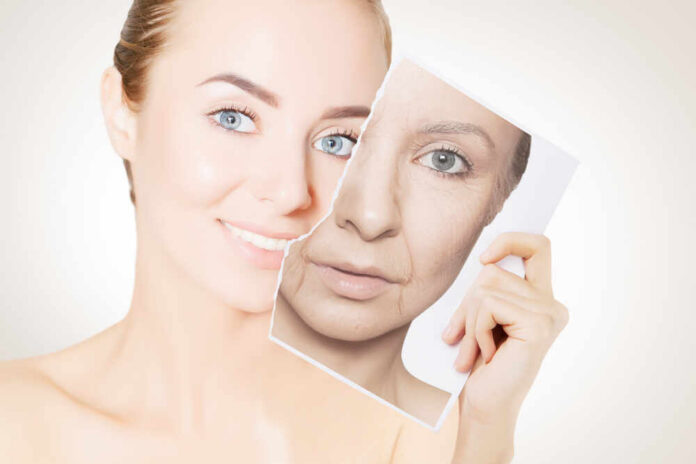
The skin you want at 55 usually depends on one unglamorous thing most people ignore until it’s too late: collagen management.
Quick Take
- “Tightening” and “plumping” are different goals; the best results stack treatments that address both.
- Non-surgical devices can help mild to moderate laxity, but they cannot duplicate surgical tightening on advanced sagging.
- Weight-loss and “Ozempic face” conversations have pushed facial volume restoration back into the mainstream.
- Timing matters: skin remodeling takes months, so last-minute fixes tend to disappoint.
The plastic-surgeon warning hidden in plain sight
Patients over 40 walk into consultations asking for “tighter, plumper skin” as if it’s one switch. Plastic surgeons separate it into mechanics: laxity (skin and deeper tissue dropping), texture (crepey, thin, sun-damaged surface), and volume loss (deflation in cheeks, temples, around the mouth). Your plan changes based on which of those drives what you see in the mirror. Skip that diagnosis step and you’ll spend money on impressive-sounding treatments that can’t deliver the specific change you want.
Collagen gets treated like a buzzword, but it’s the scaffolding. Collagen production slows with age, and the remaining fibers get disorganized by sun exposure, smoking, and inflammation. Many popular “tightening” options work by controlled injury, often heat-based, to trigger remodeling. That remodeling is real, but it is gradual and limited. People get frustrated because they expect a one-week transformation. The more honest timeline is measured in months, and results depend on baseline skin quality and how aggressively you protect it afterward.
Non-surgical tightening: what it can do, what it can’t, and why clinics oversell it
Energy devices—radiofrequency and ultrasound in particular—can contract tissue and stimulate collagen in select patients. The sweet spot is mild to moderate laxity: early jowling, soft neck crepe, subtle cheek descent, and texture issues. The hard stop is heavy excess skin or significant platysmal banding in the neck. Devices can improve, not replace, structural tightening. If gravity and tissue redundancy created the problem, heat alone rarely “erases” it, no matter how high-tech the machine name sounds.
Smart patients ask about tradeoffs. Higher settings can mean more discomfort, higher cost, and higher risk of burns or fat loss if misused. Lower settings can mean “nice glow” results that vanish quickly. Many clinics market devices as “lunchtime lifts,” which sounds harmless but encourages under-treatment and repeat visits. When you hear a package pitch, demand specifics: expected degree of change, number of sessions, and what “maintenance” realistically means. If the provider can’t describe failure cases, you’re hearing sales, not medicine.
Plumper skin is usually volume restoration, not “tightening,” and it’s having a moment again
Plumpness comes from hydrated dermis, subcutaneous fat, and facial compartments that still sit where they used to. Over 40, many faces lose support in the midface and around the mouth, so the skin looks thinner even if it isn’t. That’s why some people chase tightening treatments and end up looking sharper but not younger—because they needed volume. Dermal fillers, biostimulatory injectables, and fat transfer can restore structure. Done well, they rebuild the “quiet fullness” that reads healthy, not overfilled.
The recent weight-loss boom has added a twist: rapid fat reduction can unmask laxity and hollowing. People call it “Ozempic face,” but the underlying issue is not a moral failing or vanity; it’s anatomy catching up to a changing body. Some patients benefit from staged filler, others from skin-tightening devices, and some from a surgical lift. The wrong move is pretending one syringe or one device can solve all three problems at once.
Minimally invasive versus surgical: the decision most people delay until they’ve already spent twice
Minimally invasive options—threads, small-incision tightening procedures, limited liposuction under the chin—sit between spa-level treatments and full surgery. They can be a good fit for the person who is “not ready” for a facelift but wants more than a subtle device result. The caution: durability varies, and some options create scar tissue that can complicate later surgery. A surgeon who thinks long-term will discuss the sequence: what you can try now without burning bridges for a better solution later.
Surgery remains the most predictable fix for significant laxity because it repositions deeper tissues and removes excess skin. That statement isn’t anti-technology; it’s physics. Many 40+ patients say they want “natural results,” which usually means they want to look rested, not rearranged. Modern facelift techniques aim for that, but the best outcomes still depend on choosing the right surgeon and the right moment. The worst outcomes often come from avoiding surgery at all costs while repeatedly “tightening” already-thinning skin.
The overlooked habit that determines whether any of this works
People love a dramatic procedure and ignore boring maintenance, then wonder why results fade. Sun protection, consistent retinoid use when appropriate, and smoking cessation protect collagen better than any device can rebuild it. Nutrition and sleep matter because skin is metabolically active tissue. Treatments create an opportunity; daily habits decide whether that opportunity compounds or evaporates.
Clinics also rarely emphasize timing. Collagen remodeling takes time, swelling distorts early impressions, and “before-and-after” photos can be misleading if shot under different lighting. Patients do best when they plan months ahead for weddings, reunions, or big birthdays. The tightest, plumpest look usually comes from stacking: a foundation of skincare and sun habits, a targeted device or injectable plan, and a clear line in the sand for when surgery becomes the sensible option rather than the dreaded last resort.
Sources:
https://turkeyluxuryclinics.com/en/blog/skin-tightening-treatments
https://www.carecredit.com/well-u/health-wellness/cosmetic-surgery-trends/
https://www.americanboardcosmeticsurgery.org/cosmetic-procedures/non-surgical/skin-tightening/
https://www.plasticsurgery.org/news/articles/looking-into-the-future-plastic-surgery-trends-for-2026