Vegans over 80 face a 29% lower chance of hitting 100 than omnivores, flipping the script on plant-based immortality claims.
Story Snapshot
- A 2025 study of 5,000+ Chinese elders shows vegetarians 19% and vegans 29% less likely to become centenarians after full adjustments.
- Nutrient gaps like B12, heme iron, and complete proteins hit hardest in underweight elderly on plant-only diets.
- Omnivores with modest animal foods edge out for extreme longevity, challenging one-size-fits-all vegan advocacy.
- China’s CLHLS data from 1998-2018 provides rare prospective evidence on diets in the 80+ bracket.
Study Tracks Elders to Centenarian Status
Researchers analyzed Chinese Longitudinal Healthy Longevity Survey data from over 5,000 adults aged 80 and older, followed up to 20 years. Vegetarians showed 19% lower odds of reaching 100, vegans 29% lower, compared to omnivores. Adjustments controlled for age, sex, BMI, lifestyle, and chronic conditions. Risks amplified in underweight individuals with BMI under 18.5. Findings appeared in the American Journal of Clinical Nutrition in late 2025.
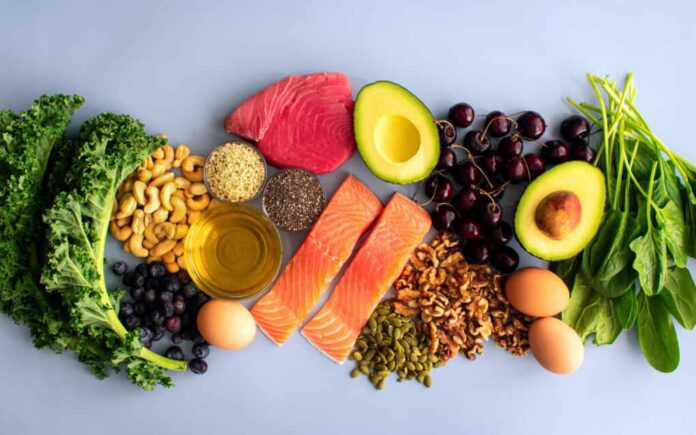
Chris Kresser dissected the study in his early 2026 Revolution Health Radio episode. He highlighted how plant-only diets falter in delivering bioavailable B12, heme iron, zinc, EPA, DHA, and complete proteins. Elderly calorie needs drop, but nutrient demands spike for muscle maintenance. Sarcopenia and frailty loom larger without animal sources. Kresser argues evidence favors omnivory for most, especially in advanced age.
China’s Traditional Diet Blends Plants and Animals
The study unfolded in China, where diets historically mix vegetables, grains, and modest meats or fish. Calorie intake declines with age, yet protein and micronutrient requirements rise. Plant-based adherents risk undernutrition, particularly if underweight. ScienceDaily coverage on February 25, 2026, noted no longevity hit for normal or overweight vegetarians, but benefits from small animal food amounts.
CLHLS launched in 1998 as a nationally representative survey of Chinese elderly. Follow-ups ran to 2018, capturing centenarian outcomes. This prospective, nested case-control design strengthens causal insights over typical observational studies. Subgroup analysis pinpointed BMI as a key modifier, underscoring personalized nutrition over dogma.
Plant-Based Hype Meets Nutrient Reality
Post-2010, books like Forks Over Knives and Blue Zones research fueled vegan surges, linking plant diets to lower heart disease, diabetes, and cancer risks via fiber and antioxidants. Yet critiques mount on vegan gaps for aging, like sarcopenia from poor protein quality. This study tests centenarian odds directly, revealing omnivores’ edge in extremes.
Pro-plant studies claim 1.5-7 extra years from whole foods or vegan shifts, but lack long-term trials proving superiority over balanced omnivory. Observational data shows disease reductions, yet causation weakens.
Chris Kresser, evidence-based nutrition expert, counters plant hype with this data. Researchers from CLHLS advance geriatric science objectively. Tensions simmer between vegan advocates like PCRM and nutrient-density proponents. Journals gatekeep publication; influencers amplify truths against media spin.
Sources:
RHR: New Study Challenges the Plant-Based Longevity Myth
Prevention.com on healthy aging diets
ScienceDaily: Vegetarian diet and centenarians study
MedicalNewsToday: Eat well live longer study
PCRM: Vegan diets and life expectancy