
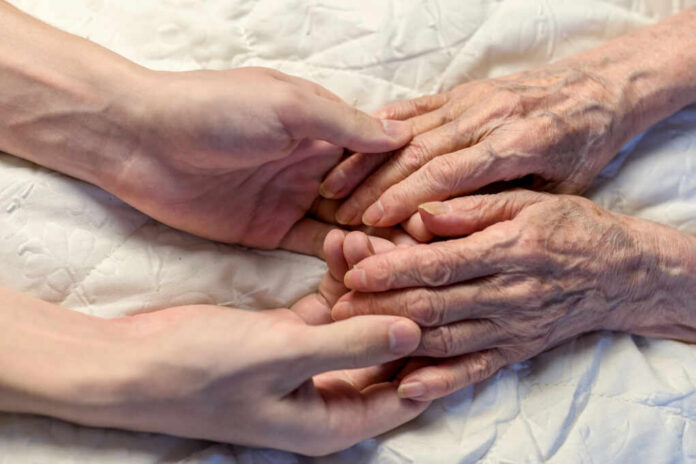
The fastest way to cool down a fight might be as simple as reaching for the other person’s hand.
Quick Take
- A controlled lab study with 100 couples found hand-holding during conflict reduced physiological stress and helped communication.
- The calming effect showed up strongly for men during the argument and for both partners after the conflict.
- Touch works through basic biology: heart-rate regulation pathways, stress hormones, and bonding chemistry.
- Hand-holding tends to beat “soothing” alternatives like stroking when emotions run hot because it signals mutual connection, not management.
The University of Amsterdam test that made hand-holding a conflict tool
Researchers had 100 heterosexual couples discuss real disagreements in a lab while tracking heart rate and evaluating how the conversations went. The twist was simple: some couples held hands during or after the argument. That small instruction produced measurable change—lower physiological arousal, less negativity, and clearer communication. The headline isn’t “touch fixes marriage.” The real takeaway is sharper: touch can interrupt escalation long enough for self-control to return.
That interruption matters because fights rarely derail due to weak logic. They derail because the body treats conflict like threat. Once the stress response spikes, people talk faster, listen worse, and interpret neutral words as hostile. Hand-holding acts like a governor on that engine. The study’s most talked-about wrinkle was the gender difference: men appeared to benefit more during the conflict itself, while women’s biggest gains showed up more reliably after the conflict.
What “calm” really means: the body stops treating your spouse like a predator
Hand-holding is not a Hallmark metaphor; it’s a sensory signal that reaches deep into the nervous system. Touch activates mechanoreceptors in the skin and feeds the brain regions that integrate sensation with emotion, including areas involved in pain and distress regulation. Researchers also connect this to vagus nerve signaling, which helps slow heart rate and supports a shift from “fight-or-flight” toward steadier, more social behavior.
That biology explains why a fight can feel physically loud: the body floods the system with stress chemistry, and the mind scrambles to justify it. Hand-holding nudges the chemistry the other direction. Work discussed in medical and behavioral health commentary ties touch to lower cortisol and higher oxytocin—one reason people feel more bonded after reconnection. The practical point for couples: you’re not just “being nice.” You’re changing the conditions under which the conversation happens.
Why the effect can differ for men and women during a blowup
The Amsterdam findings suggest a pattern many couples recognize without the data: men can settle faster with touch during conflict, while women may resist touch when anger is fresh. That’s not a moral failing; it’s a timing problem. If one partner experiences touch as pressure to “get over it,” the hand becomes a muzzle instead of an anchor. Research interpretations propose reluctance to touch during anger as one reason women showed less immediate physiological downshift.
A spouse who wants to talk may interpret withdrawal as abandonment, while the spouse who feels flooded may interpret more engagement as attack. A hand offered at the wrong moment can feel like control. A hand offered with a clear sentence—“I’m here, and I’m listening”—can feel like reassurance.
Hand-holding beats “soothing” because it is two-way, not one-way
Later research comparing forms of touch found people often prefer hand-holding over stroking in intense emotional situations. The reason is subtle: stroking can feel like one person managing the other person, especially when emotions run high. Hand-holding sends a more equal message—two adults choosing to stay connected while disagreeing. It also creates two-way feedback: each partner can feel the other’s tension and soften their own grip or breathing accordingly.
That preference matters for couples over 40 because conflict often carries history—money arguments, blended family stress, health decisions, aging parents. People don’t just fight about dishes; they fight about respect, control, and being heard. A touch that implies “calm down” can backfire. A touch that implies “we’re on the same side even now” has a chance. The mechanism is not magic; it’s alignment.
A realistic playbook for using hand-holding without turning it into another fight
Timing decides everything. Start with a request, not a grab: “Can we hold hands while we talk?” Respect a “not yet,” because consent is the difference between comfort and resentment. If you do connect, keep the grip neutral and the goal narrow: reduce heat, not win points. Pair the touch with a concrete behavior—slower speech, fewer accusations, and one issue at a time—so the body’s calm has somewhere useful to go.
Use hand-holding as a reset after the argument if it feels too charged in the moment. The Amsterdam results suggest post-conflict contact helps both partners, which fits real life: after the adrenaline, people can reconnect without feeling steamrolled. That post-conflict moment also prevents the cold-war pattern where couples “move on” but carry the stress into the next day. Repair beats silence, and repair is often physical before it is verbal.
Hand-holding will not redeem dishonesty, cruelty, or repeated disrespect. It can, however, keep ordinary disagreements from turning into scorched-earth events that poison weeks of family life. The strongest evidence points to a modest but valuable outcome: less physiological chaos, more room for the better angels of your nature, and an easier path back to partnership after hard words. For couples who want fewer dramatic fights and more durable peace, that’s a tool worth practicing.
Sources:
Study: Holding Hands While Fighting Helps Couples Stay Calm
Why You Should Hold Hands When You Fight
Handholding, Stroking, and their Comparative Effects on Emotion Regulation
The Hidden Power of Holding Hands