
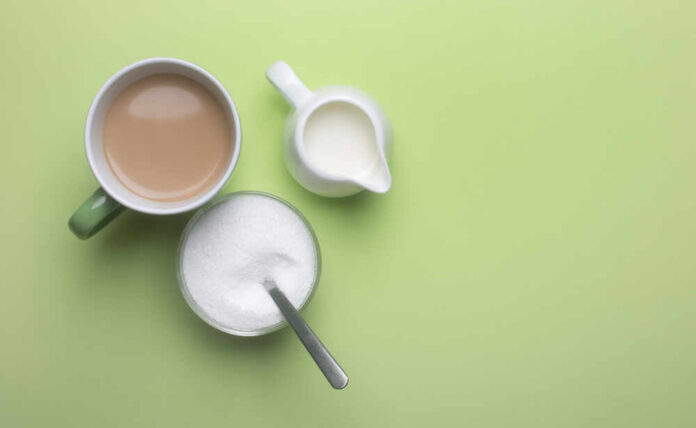
Your morning coffee is quietly rewriting how your brain handles stress, but only if you drink just enough—and not the way most people think.
Story Snapshot
- Large population studies link 2–3 cups of coffee a day with lower odds of anxiety and depression, but heavier use flips that benefit. [2][4]
- Experimental work on caffeine itself finds higher doses clearly drive anxiety in otherwise healthy people. [1]
- Doctors now talk about a “sweet spot” where coffee may lift mood without wrecking sleep or nerves. [3][5]
- The real brain effect may come from a mix of routine, polyphenols, and modest stimulation—not from pounding giant mugs all day.
The J-Shaped Curve Hiding In Your Coffee Cup
Researchers tracking very large groups of adults keep seeing the same odd pattern: people who drink a moderate amount of coffee seem to have fewer diagnosed mood problems than both non-drinkers and heavy drinkers. A recent analysis reported that roughly 2 to 3 cups a day was linked to the lowest likelihood of developing anxiety or depression, with risk rising again once intake hit five cups or more. [2][4] Statisticians call this a “J-shaped” curve; coffee drinkers call it a clue.
The J-shape matters because it kills two lazy stories at once. Coffee is not a magic antidepressant, but it is also not a universal villain. People who sat in the moderate band—neither abstaining nor chain-drinking—looked mentally sturdier over time. [2][4] That echo shows up in other work linking moderate caffeine exposure to lower odds of depression, though again as associations, not proof of cause. [5][6]
When Caffeine Turns From Ally To Agitator
Push past that sweet spot, and the story changes sharply. A meta-analysis that pooled data from caffeine challenge experiments found that caffeine clearly raised anxiety in healthy volunteers, especially when doses exceeded about 400 milligrams—roughly what you get from four strong cups or a few big energy drinks. [1] Participants did not just feel “energized”; they felt wired, restless, and uncomfortable. That pattern matches what many anxious patients describe to their doctors: coffee helps until, suddenly, it does not.
Physicians interviewed by the American Medical Association drive the same point home. They acknowledge that low doses of caffeine can lift mood and may even help some people with depression, but they also warn that even moderate amounts trigger jitteriness, palpitations, and anxiety in others. Typical intake is often safe, they say, yet individual sensitivity varies wildly. [3][5] Freedom comes with self-monitoring, not wishful thinking.
Why “Moderate” Coffee Might Track Better Mental Health
So what exactly is happening in that 2–3 cup zone? The observational studies cannot prove causation, but they invite some plausible explanations. Moderate coffee drinkers often run on regular routines: a morning ritual, some social interaction, a predictable dose of stimulation. Those habits alone may anchor mood and help people function through stress. At the biological level, moderate caffeine blocks adenosine, a fatigue signal, just enough to sharpen alertness without fully hijacking sleep or driving cortisol through the roof. [2][3][5]
Other research suggests that lifetime moderate caffeine intake is associated with lower depression risk, again in a dose band that stops well short of the “anxiety zone.” [5][6] That aligns with day-to-day experience. Enough coffee, taken early, can make it easier to start tasks, engage socially, and get outside—all behaviors that protect mental health. Heavy use, especially late in the day, tends to rob sleep, magnify worry, and spike heart rate. A culture that glorifies all-nighters and bottomless mugs often confuses grit with self-sabotage; that is not a conservative virtue, it is poor stewardship of your own body.
Association Is Not Destiny—And How To Use The Data Anyway
Every honest scientist working in this area repeats the same caveat: these “coffee and mood” findings are observational. People were not randomly assigned to drink or abstain, so healthier routines might explain some of the benefit. [1][2][5] Non-drinkers can include former heavy users who quit because of health problems, and heavy drinkers may cluster with other risky habits. The moderate group often looks like the responsible middle—working, social, reasonably active—which itself lowers depression risk.
Yet dismissing the data outright would be just as sloppy. When several large cohorts and medical summaries keep converging on the same theme—moderate coffee often aligns with better mood, while high caffeine drives anxiety—the prudent response is not panic or hype; it is calibration. For most adults, a practical rule emerges: keep coffee to about 2–3 average cups earlier in the day, watch your sleep and nerves, and cut back if anxiety climbs. [1][2][3][5] That approach respects both the evidence and personal responsibility. Government health agencies may never micromanage your mug, but your brain will, sooner or later, send its own clear feedback.
Sources:
[1] Web – Caffeine intake and anxiety: a meta-analysis – PMC
[2] Web – 2 to 3 cups of coffee a day may reduce anxiety and depression risk
[3] Web – What doctors want patients to know about the impact of caffeine
[4] Web – Two to three cups of coffee a day linked to lower risk of mental …
[5] Web – Caffeine intake and anxiety: a meta-analysis – Frontiers
[6] Web – Daily Coffee May Lower Stress, Reduce Depression and Anxiety Risk