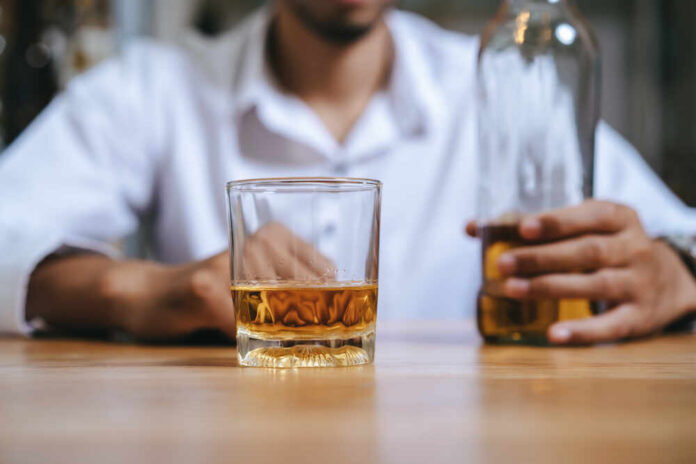
That salty snack craving after a few drinks is not a character flaw — your stress hormone may be running the show.
Quick Take
- Alcohol triggers cortisol, your body’s main stress hormone, even though drinking feels relaxing at first.
- Heavy, long-term drinking can push cortisol two to three times above normal levels around the clock.
- Elevated cortisol drives appetite and cravings for high-calorie, salty, and fatty foods.
- The science is real but incomplete — cortisol is not the only driver of post-drink cravings and weight gain.
Why Alcohol Feels Calming But Acts Like a Stressor
Alcohol feels like it takes the edge off. That part is real. But inside your body, something different is happening. When you drink, your body reads alcohol as a threat. It fires up the hypothalamic-pituitary-adrenal axis — the hormonal chain that controls your stress response — and tells your adrenal glands to pump out cortisol. The relaxed feeling fades. The cortisol stays.
Chronic heavy drinking makes this worse. Research shows that long-term heavy drinkers can carry cortisol levels two to three times higher than normal, not just while drinking, but through the night and into the next day. [2] Alcohol also directly disrupts the brain chemicals that tell your adrenal glands when to stop producing cortisol, which means the “off switch” stops working properly. [2] That is a serious hormonal problem hiding behind what most people write off as a bad habit.
How Cortisol Turns Into Cravings and Extra Pounds
Cortisol’s job is to prepare you for danger. It speeds up fat and carbohydrate metabolism to give you quick energy. It also raises your appetite, especially for calorie-dense foods. [4] When cortisol stays high after drinking, your brain keeps sending hunger signals even if you just ate. Salty, fatty snacks hit the reward centers hard in that state. Your body is not being irrational — it is following a stress-driven hormonal script.
A peer-reviewed study found that stress and alcohol-related cues together increase craving and that blunted cortisol responses predict higher alcohol intake over time. [1] A separate clinical trial showed that giving cortisol directly to patients with less severe alcohol use disorder actually increased their craving during exposure tests. [3] That is not a willpower problem. That is chemistry. The weight gain that follows heavy drinking is not just about the calories in the drinks themselves — it is about what the hormones push you to eat afterward.
The Story Is Real, But It Is Not the Whole Story
Here is where honest reporting matters. The cortisol-craving connection is well-supported for alcohol craving and general appetite. The direct evidence linking cortisol specifically to salty food preference after drinking is thinner. No controlled trial in the current literature directly measures salt craving alongside cortisol in drinkers. That gap matters. The mechanism is plausible, but extrapolating from “cortisol raises appetite” to “cortisol explains your chip craving at midnight” skips a few steps the science has not fully closed yet.
Other factors fill that gap. Alcohol dehydrates you and depletes sodium, which can trigger a real physiological salt craving that has nothing to do with cortisol. [6] Mayo Clinic notes that salt cravings can also signal adrenal insufficiency or other medical conditions. [5] Healthline lists dehydration, low sodium, medications, and stress as separate causes. [7] When you quit drinking, salt cravings can persist because your brain chemistry is recalibrating from neurotransmitter changes and blood sugar swings — again, not cortisol alone. [6] The honest picture is that cortisol is one real player in a multi-cause system.
What This Means If You Drink Regularly
The takeaway is practical. If you drink regularly and find yourself raiding the pantry for salty snacks, or if the scale keeps creeping up despite no big changes in your diet, your hormones deserve a look. Cortisol is not an excuse, but it is a real biological force. Reducing alcohol intake lowers cortisol load. Better sleep, which alcohol also disrupts, helps cortisol normalize. Staying hydrated before and after drinking addresses the sodium-depletion pathway separately. Managing the habit means managing the whole hormonal environment around it, not just counting calories.
The cortisol explanation is strong enough to take seriously and honest enough to hold with some nuance. Heavy drinking stresses your hormonal system in ways that drive appetite, cravings, and weight gain through real biological pathways. [9] Blaming willpower alone misses the physiology. But cortisol is not the single villain either — dehydration, brain chemistry, sleep loss, and lowered inhibition all share the stage. The most useful thing you can do is treat all of them at once rather than waiting for a cleaner study to settle the debate.
Sources:
[1] Web – The Hormonal Link Between Alcohol, Salty Cravings & Weight Gain
[2] Web – Craving, cortisol and behavioral alcohol motivation responses to …
[3] Web – Chronic drinking increases cortisol during intoxication and withdrawal
[4] Web – Effects of cortisol administration on craving during in vivo exposure …
[5] Web – Elevated Cortisol Triggers Intense Cravings | MRC Branson
[6] Web – Salt craving: A symptom of Addison’s disease? – Mayo Clinic
[7] Web – How to Stop Salt Cravings After Quitting Alcohol – S&J
[9] Web – Craving salt: Eight causes and outlook – Medical News Today