
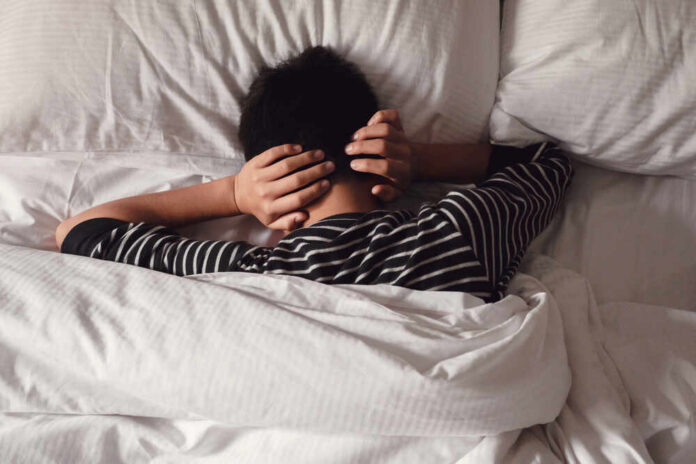
Your heart doesn’t just suffer when you eat badly—it suffers when you sleep badly, and it keeps score night after night.
Quick Take
- Short sleep disrupts blood pressure control, raises stress hormones, and fuels inflammation that accelerates cardiovascular risk.
- Large studies link routinely sleeping under six hours to higher odds of hypertension, diabetes, and heart disease, even after adjusting for other risks.
- Sleep loss changes the brain’s stress circuitry, making everyday irritations hit harder and the cardiovascular system pay the price.
- Most “I’m fine on five hours” claims collapse under daylight; performance dips, appetite shifts, and metabolic control worsens.
The silent heart problem hiding in plain sight: lost sleep
Adults over 40 often treat sleep as flexible: a place to “borrow” time for work, caregiving, or late-night scrolling. The cardiovascular system treats it as nonnegotiable maintenance. Chronic short sleep interferes with the normal nighttime dip in blood pressure and keeps the body in a more activated, stress-ready state. Over months and years, that pattern aligns with higher risk of hypertension, metabolic disease, and heart events.
One reason this topic keeps resurfacing in public health circles is simple math: a large slice of adults regularly logs under seven hours, and heart disease remains the leading killer. Sleep becomes the rare “risk factor” that costs nothing and affects nearly every other major driver—weight, glucose control, mood, and blood pressure. The catch is that sleep fixes don’t feel heroic, so they get postponed until a scare arrives.
How sleep deprivation pushes blood pressure up and keeps it there
Healthy sleep usually comes with a nightly blood-pressure dip, giving vessels and the heart a break. Short or fragmented sleep can blunt that dip, leaving the cardiovascular system running hotter for longer. Add the real-world pattern—coffee to power through mornings and stress to survive afternoons—and you get a steady drumbeat of sympathetic activation. That combination helps explain why short sleep repeatedly tracks with higher hypertension risk in population studies.
Sleep loss also disrupts hormones that steer vascular tone and fluid balance, and it can worsen breathing problems that strain the heart, such as obstructive sleep apnea. A body that never fully downshifts at night has fewer hours to repair the wear-and-tear of daytime pressures, and middle age is when that bill starts arriving.
Inflammation, glucose, and appetite: the heart pays for a tired brain
Sleep deprivation doesn’t only make you groggy; it pushes metabolic buttons that matter to the heart. Research links short sleep to impaired glucose tolerance and higher risk of diabetes—conditions that accelerate vascular damage and plaque formation. Sleep loss also shifts appetite regulation, making calorie-dense foods more tempting and willpower weaker. The result looks like “bad discipline,” but it often starts with biology reacting to a depleted night.
Inflammation acts like a slow burn through this entire process. Chronic, low-grade inflammation contributes to atherosclerosis and makes blood vessels less resilient. When people chase heart health with supplements but keep sleeping five hours, they’re trying to mop the floor while the sink runs. No responsible clinician claims sleep alone replaces medical care, but the evidence supports sleep as a foundational lever that makes other interventions work better.
The brain-heart axis: why stress feels sharper after bad sleep
Modern imaging and neurobiology add a missing piece: sleep deprivation changes how the brain regulates emotion and threat. When the prefrontal “brakes” weaken and the threat circuits run loud, minor frustrations can trigger outsized stress responses. That’s not just a mood issue; it’s a cardiovascular load. Higher cortisol, more frequent blood-pressure spikes, and more reactive behavior create a pattern that gradually hardens risk into routine.
Readers with decades of life experience recognize the feeling: everything seems harder after a short night, and patience runs thinner. The data now supports what common sense suspected. That matters because chronic irritability and stress aren’t merely social problems; they can become physiological ones. Sleep becomes a practical way to dial down the daily stress thermostat without another pill or another complicated program.
Seven to nine hours is the target; the real game is consistency
Public health guidance usually lands on a simple range: about seven to nine hours for most adults. The nuance sits in timing and regularity. Consistent sleep and wake times support circadian alignment, which helps regulate blood pressure, glucose handling, and hormone rhythms. “Catch-up sleep” on weekends can help with acute sleep debt, but it doesn’t fully erase the cost of five short nights in a row.
People over 40 also face sleep disruptors that younger adults can sometimes brute-force through: late-day caffeine sensitivity, nighttime bathroom trips, alcohol-related fragmentation, and stress that wakes the mind at 3 a.m. The practical approach starts with identifying the one or two biggest disruptors rather than rebuilding your entire lifestyle. A boring, repeatable sleep plan beats a perfect plan you quit after four nights.
How to get more sleep without turning life upside down
Start with constraints you control: protect a wind-down window, set a firm caffeine cutoff, and keep screens from dictating bedtime. Morning light exposure and daily movement reinforce circadian signals, making it easier to fall asleep at a reasonable hour. People who snore loudly, gasp, or wake unrefreshed should treat that as a medical clue, not a personality trait; breathing-related sleep disorders directly strain the heart.
Medication and supplements can play a role for some people, but the conservative common-sense standard should apply: fix the basics first, then add tools if the foundation still fails. A doctor visit becomes especially important when insomnia persists, daytime sleepiness becomes dangerous, or blood pressure and glucose numbers trend the wrong direction. Sleep isn’t luxury; it’s the maintenance schedule your heart has been asking for.
Sources:
Negative impact of insufficient sleep on the brain
Extent and Health Consequences of Chronic Sleep Loss
Effects of Sleep Deprivation on Your Body
Sleep Deprivation and Chronic Disease
How Sleep Deprivation Affects Your Mental Health
How sleep affects mental health