
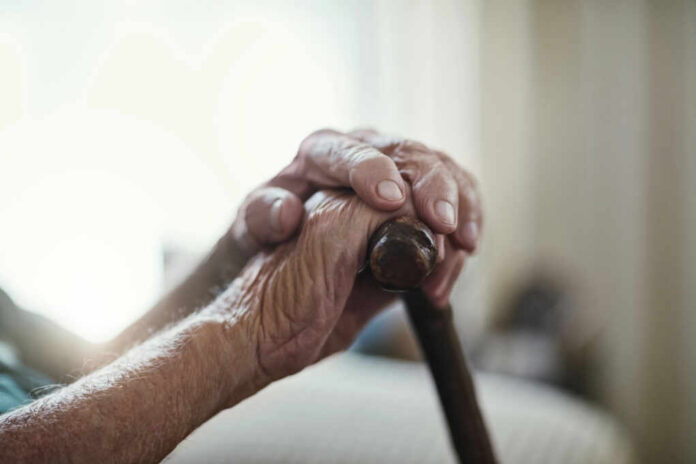
A breakthrough stem cell therapy has delivered measurable improvements in elderly patients suffering from frailty, offering hope for millions while proving that targeting the aging process itself—not just symptoms—can restore physical function without relying on a lifetime of medications.
Story Highlights
- Phase 2b clinical trial shows 20% improvement in elderly patients’ endurance after single stem cell infusion
- Treatment uses stem cells from young, healthy donors rather than patients’ own aging cells
- One-quarter of Americans over 50 suffer from frailty with no FDA-approved pharmaceutical treatment available
- Therapy addresses underlying accelerated aging process, not just symptoms of declining health
Clinical Trial Delivers Measurable Physical Improvements
A Phase 2b randomized trial evaluated 148 elderly individuals with frailty who received a single intravenous infusion of mesenchymal stem cells derived from young, healthy donors. Participants who received the highest dose demonstrated a 63.4-meter improvement in the six-minute walk test at nine months compared to placebo, representing approximately 20% better endurance capacity. The trial, identified as NCT03169231, published its results in Cell Stem Cell in February 2026, marking the first evidence of a treatment specifically targeting the accelerated aging underlying frailty rather than merely managing symptoms.
Young Donor Cells Overcome Elderly Patients’ Regenerative Decline
Longeveron Inc. developed laromestrocel, an allogeneic stem cell therapy isolated from bone marrow of young, healthy adult donors. This approach solves what researchers call “the aging puzzle”—elderly patients who most need stem cell therapies possess the least functional stem cells for self-derived treatment. Harvesting stem cells from elderly people is difficult and risky because regenerative potential significantly decreases with advanced age. Using young donor cells circumvents this limitation entirely, providing robust regenerative capacity without subjecting vulnerable elderly patients to risky harvesting procedures.
Frailty Affects Millions Without Pharmaceutical Options
Frailty affects approximately 25% of Americans aged 50 and older, characterized by decreased muscle strength, weight loss, and lower activity levels. The condition creates a cascade of vulnerability: patients face disproportionate difficulty coping with daily stressors, heightened susceptibility to disease and injury, and increased risk of poor outcomes and death after surgery. Currently, no FDA-approved pharmaceutical treatment exists specifically for frailty, leaving millions without effective medical intervention. The only conventional recommendations involve lifestyle changes, which many frail patients struggle to implement due to their compromised physical state.
Dose-Dependent Responses and Biomarker Discovery
The trial demonstrated dose-dependent improvements, with higher stem cell doses correlating with greater physical function gains. Researchers identified decreases in soluble TIE-2, a protein marker, as doses increased, potentially offering a biomarker for predicting treatment responsiveness. Dr. Jorge Ruiz, geriatrician at Memorial Healthcare System, emphasized the significance: “For the first time, you have a treatment that targets accelerated ageing.” This paradigm shift moves from symptomatic management to addressing underlying pathophysiology, representing a fundamentally different approach to geriatric medicine that aligns with conservative values of addressing root causes rather than creating pharmaceutical dependency.
Regulatory Pathway and Future Development
Longeveron has secured multiple FDA designations for various therapeutic programs, including Orphan Drug and Fast Track designations, positioning the company favorably for accelerated regulatory review. The company is pursuing additional pipeline indications beyond frailty, including hypoplastic left heart syndrome, Alzheimer’s disease, and pediatric dilated cardiomyopathy. Dr. Joshua M. Hare, Longeveron’s Chief Science Officer, stated the company is highly encouraged by results demonstrating stem cell therapy’s potential to improve conditions in patients with age-related frailty. While long-term data beyond nine months remain under investigation, the therapy’s safety profile showed no serious adverse effects in earlier research.
Sources:
Stem cells provide a potent treatment for frailty
Longeveron Results of Phase 2b Clinical Trial Published in Cell Stem Cell
Stem Cell Therapy May Improve Aging Frailty Clinical Research Suggests
Autologous vs Allogeneic Stem Cell Approaches