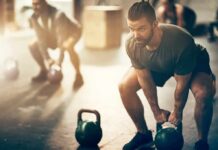

Your steak matters far less than your sets: training is the spark; protein is the fuel that makes the fire last.
Story Snapshot
- Resistance training triggers muscle growth; protein makes those gains bigger during training.
- Extra protein stops adding size above about 1.6 grams per kilogram per day.
- Guidelines center hypertrophy on weekly lifting volume, not supplements.
- Protein alone shows little effect; the lift-plus-protein combo wins in trials.
What the strongest evidence actually shows
Researchers pooled dozens of trials and found a clear pattern. People who lift and add dietary protein gain more fat-free mass and strength than lifters who do not add protein. That means the gym work comes first, and protein helps the results show up faster and more fully. The effect is real, but not limitless. The biggest boost shows up when baseline protein is low or moderate. Once intake is high enough, the extra scoop does much less.
That ceiling matters for your grocery list. A major meta-analysis reported that gains from resistance training did not rise further once daily protein reached about 1.6 grams per kilogram of body weight. So a 180-pound lifter, about 82 kilograms, tops out near 130 grams per day for added benefit. That number is not a gimmick; it is the point where more protein stops moving the needle for size, even while you keep training hard.
Training drives growth; protein supports the adaptation
Muscle does not grow on wishful thinking, it grows under load. Systematic reviews confirm that resistance training alone increases muscle size across many programs and populations. The American College of Sports Medicine centers its guidance on training variables like weekly sets per muscle, because those levers most directly drive hypertrophy outcomes. This matches common sense and conservative values: effort, structure, and repetition build capacity. Supplements can help, but discipline builds the base.
Protein earns its place when the work is already in play. Reviews describe a synergistic effect when protein intake rises during a solid training plan, especially if prior intake was short of needs. That synergy tracks with what lifters notice in the mirror. Better recovery, stronger reps across sets, and a slow, steady climb in measurements show that nutrition supports stress. No supplement replaces the stress. It just helps you adapt to it more.
Where protein matters, and where it does not
Older adults and newer lifters often ask about quick wins. Evidence points to modest or delayed effects from supplements when people are untrained in the first weeks, likely because almost any program causes early gains without extra help. Over longer blocks, added protein helps trained lifters and older adults make more of each session, with measurable gains in strength and lean mass compared with training alone. Translation: dial in your plan, then use protein to lock in the progress.
The claim that protein, by itself, builds meaningful muscle does not hold up when tested head-to-head. A randomized trial that gave daily protein, with or without heavy resistance training, found that protein as a stand-alone intervention did not improve muscle mass or strength. Only the group that trained got stronger and bigger. That result aligns with lab and gym logic. The body needs a signal to grow. Load is that signal. Protein helps the body answer it.
How to turn the science into weekly wins
Set your main goal as consistent resistance training. Aim for enough weekly sets per muscle to grow, then progress the load or reps over time. That is the backbone of the updated guidance from the American College of Sports Medicine and the broad evidence base under it. Next, set protein to a range that supports your work. Many lifters will do well at one point two to one point six grams per kilogram per day. Push toward the upper end when cutting calories.
Choose simple protein sources you enjoy and can repeat. Spread intake across meals to support recovery. Expect small, steady changes, not overnight leaps. Save your money once you cross the ceiling where extra protein no longer adds size. Spend effort on form, volume, sleep, and a repeatable plan. That is the most reliable path to bigger, stronger muscle. The hierarchy is simple and proven: train first, eat enough protein second, and let time do the compounding.
Sources:
pmc.ncbi.nlm.nih.gov, frontiersin.org, pubmed.ncbi.nlm.nih.gov, acsm.org