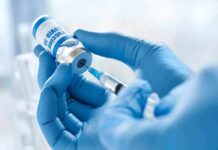

The battle against HIV has shifted from a death sentence to a preventable condition, yet tens of thousands of Americans remain unaware of tools that can cut their infection risk by 99 percent.
Story Snapshot
- Pre-exposure prophylaxis (PrEP) and post-exposure prophylaxis (PEP) reduce HIV transmission by up to 99 percent when used correctly, yet uptake remains limited among high-risk groups.
- New twice-yearly injectable PrEP approved in June 2025 eliminates daily pill adherence barriers, with once-yearly formulations entering Phase 3 trials in 2026.
- Proposed federal budget cuts of $1.5 billion threaten programs that prevented 9,000 infections and saved $5 billion between 2017 and 2021.
- Updated WHO guidelines from January 2026 prioritize long-acting treatments and integrate HIV prevention with tuberculosis care and maternal health strategies.
The Prevention Revolution You Probably Missed
Since 2012, medical science has handed sexually active adults a near-perfect shield against HIV transmission. PrEP, a daily pill regimen, blocks the virus before it takes hold. PEP offers a 72-hour emergency window after potential exposure. Condoms remain the gold standard for barrier protection. Together, these methods slash infection risk to negligible levels. The catch? Most people who need them don’t know they exist or face barriers accessing them. Women, men who have sex with men, and injection drug users bear disproportionate infection burdens, yet education campaigns struggle to reach these populations consistently.
Long-Acting Options Transform the Landscape
Gilead Sciences received approval in June 2025 for lenacapavir, a twice-yearly injectable PrEP that eliminates the daily pill burden. Clinical trials in Africa showed dramatic effectiveness, prompting researchers to skip Phase 2 testing and jump straight to Phase 3 for a once-yearly formulation. Merck competes with MK-8527, maintaining protective drug levels for over 28 days per dose. These innovations address the adherence problem that plagued earlier PrEP efforts. Missing daily pills compromises protection; missing two injections per year proves far harder. For populations facing stigma, housing instability, or chaotic schedules, long-acting prevention represents a lifeline.
The Political Threat to Progress
Federal HIV programs delivered measurable results between 2017 and 2021, cutting new infections by 12 percent and preventing approximately 9,000 cases. That success generated $5 billion in avoided treatment costs. Now those gains face jeopardy from proposed fiscal year 2026 budget cuts totaling $1.5 billion. The O’Neill Institute warns that slashing surveillance, testing, and care infrastructure will reverse progress and cost lives. Advocacy groups point out the grim arithmetic: every dollar spent on prevention saves roughly $5 in lifetime treatment expenses. Budget hawks dismissing these programs as expendable ignore basic fiscal responsibility, let alone moral duty to citizens at risk.
Global Strategy Meets Local Barriers
The World Health Organization updated clinical guidelines on January 7, 2026, recommending dolutegravir as preferred antiretroviral therapy and extending breastfeeding with prophylaxis to prevent mother-to-child transmission. UNAIDS launched a 2026-2031 strategy targeting AIDS elimination as a public health threat by 2030. These global frameworks mean little without implementation funding and local clinic capacity. Clinicians report persistent obstacles for women and gender-diverse individuals seeking PrEP: insurance hassles, pharmacy deserts, provider discomfort discussing sexual health, and appointment scheduling conflicts with work. National Women and Girls HIV/AIDS Awareness Day in 2026 highlights these gaps, but awareness alone fills no prescriptions.
What Science Delivers Next
Researchers present data at the Conference on Retroviruses and Opportunistic Infections in late February 2026 and the International AIDS Society conference in July 2026 on broadly neutralizing antibodies combined with cabotegravir. These experimental approaches could offer protection lasting months from a single infusion. Experts like Liz Highleyman at the San Francisco AIDS Foundation caution that resistance remains a concern, requiring combination strategies rather than single-agent reliance. The pipeline looks promising: longer intervals between doses, fewer side effects, and options for people who cannot tolerate oral medications. Translating lab breakthroughs into pharmacy shelves requires sustained funding, regulatory follow-through, and insurance coverage mandates.
The Knowledge Gap Costs Lives
U equals U—undetectable equals untransmittable—became validated science in 2012. People with HIV on effective antiretroviral therapy who maintain undetectable viral loads cannot sexually transmit the virus. This fact alone should revolutionize dating, family planning, and stigma reduction. Yet surveys show most Americans remain unaware of this reality. The same ignorance surrounds PrEP and PEP availability. Emergency departments rarely stock PEP despite its 72-hour window. Primary care doctors skip sexual health conversations. Pharmacies in conservative communities refuse to carry PrEP due to perceived moral objections. These failures represent policy choices, not scientific limitations. Every prevented infection spares an individual decades of medication, monitoring, and discrimination. Every prevented infection protects partners, reduces community viral load, and saves taxpayer money. The tools exist; the will to deploy them remains inconsistent across geography and politics.
Sources:
HIV.gov – NWGHAAD 2026: Reset Your Routine
UNAIDS – 2026-2031 Global AIDS Strategy
San Francisco AIDS Foundation – What’s in the Pipeline for HIV Prevention and Treatment
WHO – Updated Recommendations on HIV Clinical Management
Center for Health Law and Policy Innovation – HIV Advocacy Report
O’Neill Institute – Protecting HIV Programs and Services in the FY 2026 Budget
Doral Health and Wellness – Fighting HIV in 2026