A compound found in broccoli just raised the level of a protein that’s missing in people with Friedreich ataxia, a disease that slowly robs them of the ability to walk, talk, and use their hands.
Quick Take
- Scientists found that sulforaphane, a compound in broccoli, increased frataxin, the protein missing in Friedreich ataxia
- The compound improved nerve cell survival by up to 61% in lab-grown cells made from patient tissue
- The research used cells grown from real patients, not just generic lab cell lines
- The results come from lab dishes, not people, so human trials are still needed before anyone can call this a treatment
What Researchers Found In The Lab
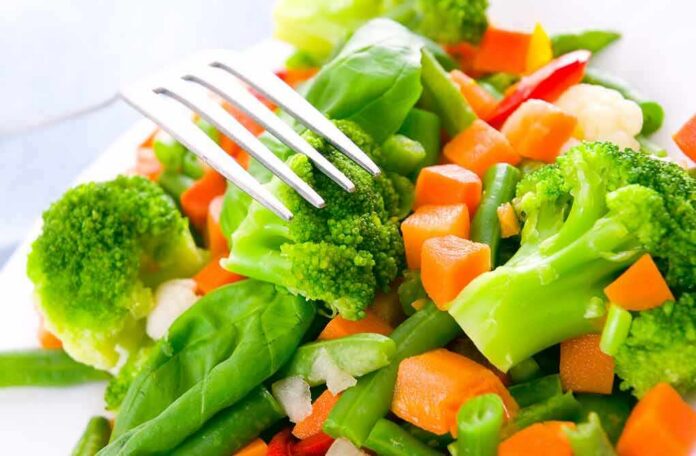
Researchers studied sulforaphane, a natural compound found in broccoli, using nerve cells grown from the skin cells of Friedreich ataxia patients. These specially grown cells let scientists study the exact nerve damage seen in the disease. The study reported that sulforaphane raised frataxin, the protein patients lack, while also protecting the fragile sensory nerve cells from dying off.
The protective effect was not small. Treated cells showed up to 61% better survival compared to cells left untreated. Researchers also tested sulforaphane against two other compounds, omaveloxolone and dimethyl fumarate, in the same patient-derived cells to see how it stacked up against existing options.
Why Frataxin Loss Causes So Much Damage
Friedreich ataxia is a rare, inherited disease that damages nerves controlling movement and balance. Patients carry a genetic flaw that cuts their frataxin levels far below normal. Without enough frataxin, cells struggle to manage oxidative stress, a kind of internal damage that builds up over time and slowly kills nerve cells in the spine, brain, and heart.
The new study didn’t stop at measuring frataxin. Researchers also tracked chemical markers tied to oxidative stress and inflammation inside the treated cells. They found a better balance of protective versus damaging molecules, along with changes in genes linked to inflammation, suggesting sulforaphane works on more than one front at once.
The Science Isn’t Coming Out Of Nowhere
This isn’t the first time sulforaphane has shown promise against Friedreich ataxia. A 2017 study on frataxin-depleted neurons found that sulforaphane activated a cell-protection pathway called NRF2, boosted natural antioxidant enzymes, and helped nerve cells grow longer, healthier extensions. Broader reviews of drug options for the disease have pointed to sulforaphane as one of several NRF2-activating compounds worth pursuing, alongside restoring the cell’s natural antioxidant defenses.
That NRF2 pathway already has a track record in this disease. Omaveloxolone, another NRF2 activator, went through a randomized clinical trial, won FDA approval in 2023, and became the first approved treatment for Friedreich ataxia. Long-term data on that drug now show it may slow how fast the disease progresses, giving researchers a real-world example of how a lab finding like this one could eventually become medicine.
What Still Has To Happen Before This Reaches Patients
The current findings come from cells in a lab dish, not from animals or people, and researchers say clinical studies are still needed to know if sulforaphane actually helps patients. Scientists still need to figure out the right dose, confirm the compound reaches nerve tissue in the body, and test it in animals before any human trial can begin.
Swinburne researchers found that broccoli-derived sulforaphane raised frataxin levels and protected vulnerable nerve cells in Friedreich ataxia cell models. Promising—but this was cell work, not a patient treatment. Human trials, especially for children, are urgently needed. pic.twitter.com/gs2AsoutNZ
— SkimNews (@SkimNews_) November 7, 2026
Friedreich ataxia affects a small number of patients, which has historically made funding large, expensive trials harder to secure. Eating broccoli will not deliver the concentrated doses used in this research, so patients should not mistake this lab finding for a dietary fix. The real path forward runs through formulation, safety testing, and a properly designed clinical trial, the same road omaveloxolone already traveled.
Sources:
sciencedaily.com, pmc.ncbi.nlm.nih.gov, utsouthwestern.elsevierpure.com